With increasing regulations, the livestock producer needs to understand the scientific principles that affect manure transformations and how to use these principles to manage the manure for maximum fertilizer value with minimal environmental impact. Improved land application of manure is one part of the solution, but we suggest that the producer evaluate the quantity of nutrients arriving on the farm as feed, animals, and fertilizer compared to the total that is exported.
A Beginner's Guide to Manure Spreaders: Ensuring Even Application for Healthy Fields

A Beginner's Guide to Manure Spreaders: Ensuring Even Application for Healthy Fields

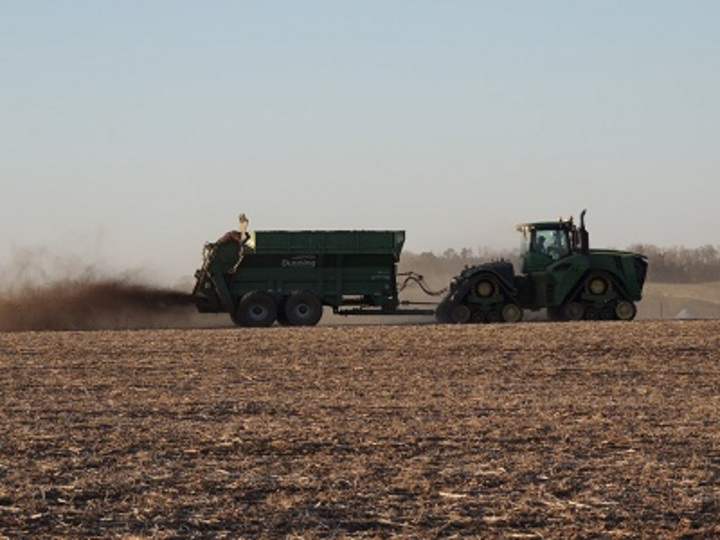
Manure spreaders are essential tools for distributing nutrients to crops to improve fertility and improve soil health. Therefore, achieving an even application of manure is just as important as with commercial fertilizers. Proper placement ensures that every part of a field receives the nutrients needed, leading to healthier crops and soil biology. This guide explains how to use manure spreaders effectively.
Manure Value

Manure Value

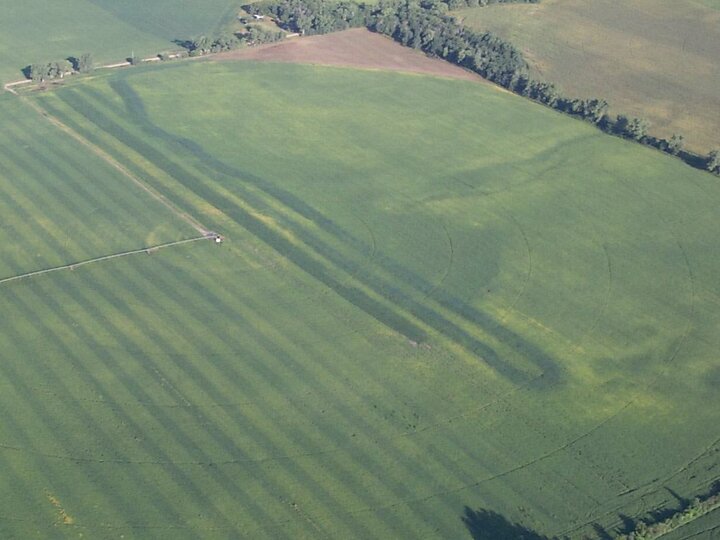
Manure is often an under-valued resource. When well-managed and properly applied, it reaps many benefits. The benefits can be seen in the photo to the left, but are not captured in much of the field because of errors in application.

Land Application Training Requirements

The NPDES permittee, authorized representative, or an employee of the operation shall complete a land application training program approved by the Department within 180 days of NPDES permit coverage unless such training was satisfactorily completed in the previous 5 years. Additional training is required every 5 years.
Nutrient Management

Nutrient Management

Water quality is affected by nutrient management when chemicals, soil, and residue move off of agricultural land or below it. This section focuses on a number of production issues that when managed correctly minimize the potential for off-site consequences because excess of the nutrients is limited or eliminated.
Manure Nutrient Management

Manure Nutrient Management

Water quality protection is primary to good stewardship of our environment; and fundamental to good stewardship is application of manure and fertilizer nutrients at field-specific agronomic rates with careful consideration of timing and location. Following nutrient management principles is a requirement for compliance with Nebraska and U.S. environmental regulations for all permitted animal feeding operations.
Manure Spreader Calibration

Manure Spreader Calibration

As crops come out of the field, manure application equipment typically begins going in. While knowing the nutrient concentrations in your manure, the nutrient levels in the soil, and the nutrient needs of future crop needs are important, another critical component of the manure application process is using the right manure spreader setting, speed, and lane spacing during application. Combining all of these factors to optimize application efficiency is called calibrating the manure spreader.
Evaluating Soil Health

Evaluating Soil Health

Soil health is defined as the continued capacity of the soil to function as a vital living ecosystem that sustains plants, animals, and humans. Typically, soil health includes three types of soil characteristics: biological, physical, and chemical. Although sometimes used interchangeably, soil quality generally refers to soil chemical and physical properties.

Yield Goal Development

Setting a Realistic Corn Yield Goal Nebguide Discusses how to set a realistic corn yield goal by acknowledging climatic yield limitations of corn in Nebraska and the yield history in a field.
Soil Biological Life

Soil Biological Life

While tillage has been used to prepare a seedbed, it also destroys the existing root structures in the soil and some of the soil's biological life. Without this biological life, soil structure suffers and many of the nutrients are not as available for crop uptake.
Abandoned swine lagoons and earthen storage basins may contain valuable nutrients

Abandoned swine lagoons and earthen storage basins may contain valuable nutrients

When a swine lagoon is abandoned, the owner has the choice of decommissioning the lagoon or maintaining the integrity of the lagoon. Decommissioning means dewatering the lagoon and land applying the sludge at the bottom. One cannot just fill in the hole. The process of removing the water and the sludge is time consuming and takes resources and planning to complete properly. One aspect of the process does have some cost recovery and that is utilizing the sludge in a beneficial way.
Utilization of Woody Biomass as an Agronomic Land Treatment and Conservation Practice in the Middle Niobrara Natural Resources District Long Pine Creek Watershed

Utilization of Woody Biomass as an Agronomic Land Treatment and Conservation Practice in the Middle Niobrara Natural Resources District Long Pine Creek Watershed

A value-added market for woody biomass (wood chips) generated during management of Eastern Red Cedar and native trees in riparian forests and rangeland is critical to offset the cost to landowners of managing forested areas for fire prevention, invasive plant species control, improving wildlife habitat and ecological preservation. Utilization of wood chips alone and co-mingled with livestock manure or nitrogen fertilizer is being investigated (since 2015) as a land treatment practice on local landowner crop fields with research focused on evaluating impacts on soil moisture holding capacity, temperature, biology, & other properties that impact crop productivity.
Is Manure a Fertility Option for Wheat?

Is Manure a Fertility Option for Wheat?

With ground opening up for manure application following wheat harvest, this is a good time to ask about the fit for manure with wheat? There are some good opportunities to use manure following wheat harvest.

With increasing regulations, the livestock producer needs to understand the scientific principles that affect manure transformations and how to use these principles to manage the manure for maximum fertilizer value with minimal environmental impact. Improved land application of manure is one part of the solution, but we suggest that the producer evaluate the quantity of nutrients arriving on the farm as feed, animals, and fertilizer compared to the total that is exported.