Home and Yard Pollutants There are many types of pollutants that can originate from a variety of sources. Examples of potential water pollutants from homes and yards are soil, grass clippings, fertilizer, pesticides, paint thinners, and motor oil. See Table 1 for common sources. Pollutants can impair water resources by: - Soil particles clouding water and impairing habitat for fish and aquatic plants.
- Nutrients such as phosphorus promoting the growth of algae, which crowds out other aquatic life, or leads to growth of toxic blue-green algae.
- Chemicals such as antifreeze, oil, fertilizers, pesticides, or metals, threatening the health of fish and other aquatic life.
- Bacteria and disease-causing organisms from pet and animal waste making lakes, ponds and streams unsafe for wading and swimming.
- Polluted runoff water flowing down a poorly sealed or unused well which has not been properly decommissioned, thus contaminating a drinking water supply.
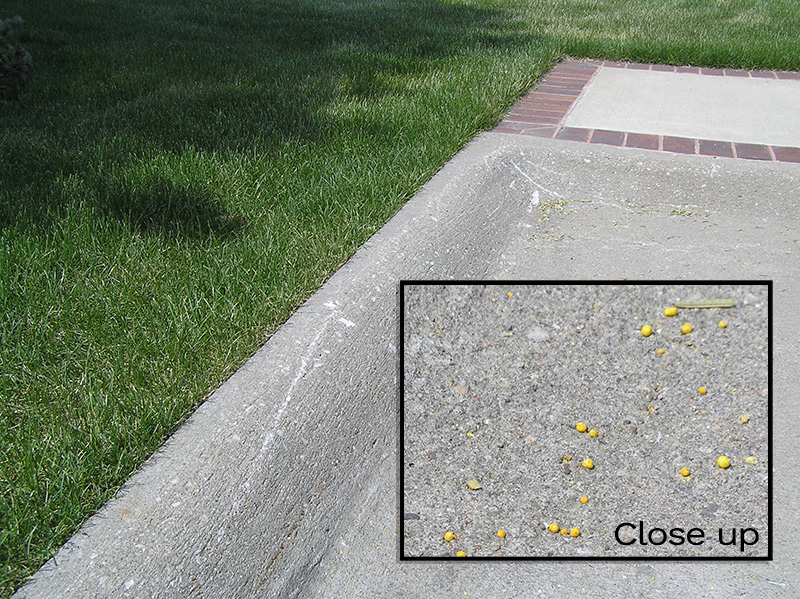
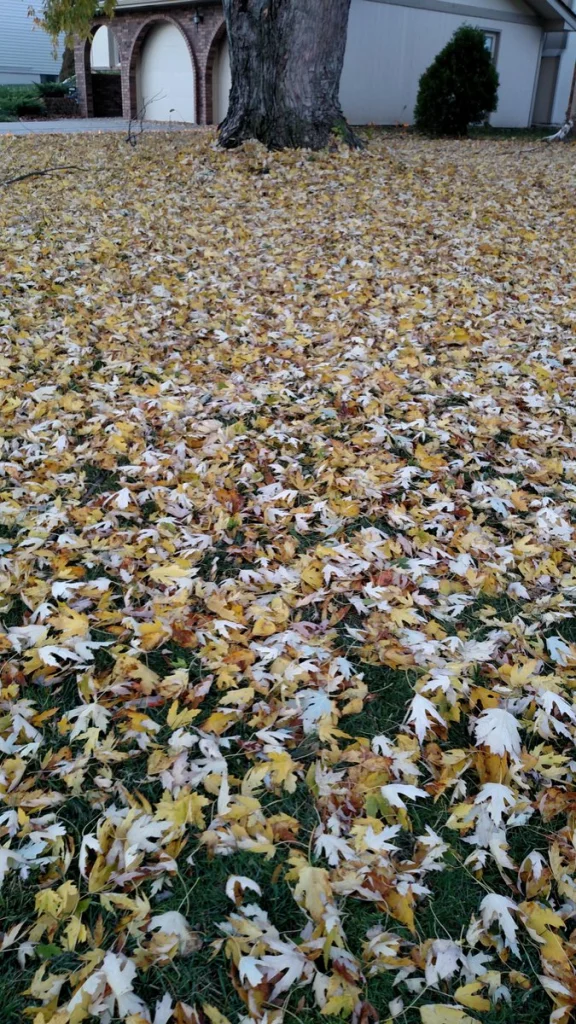
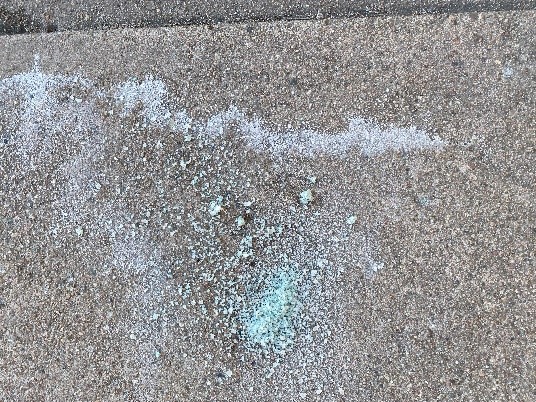
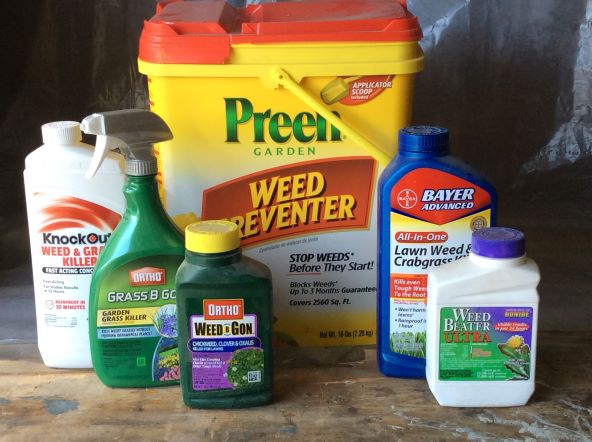
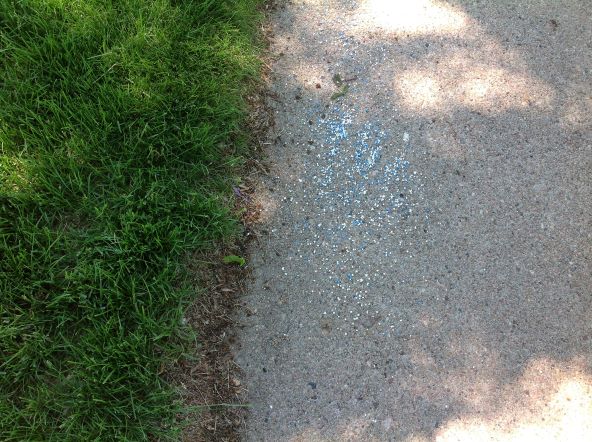
Go to Table 1: Common pollutant types and sources from homes and yards >> Runoff from rainfall and snowmelt is unavoidable, however its negative effects can be reduced by decreasing the rate and amount of runoff water through sustainable landscape design, methods which capture and use rain water such as rain gardens, and by reducing the amount of pollutants in the path of runoff water. Key Tips for Reducing Pollutants: - Keep fertilizer granules, pesticides, soil, mulch, and yard waste (grass clippings, tree leaves, twigs, etc.) off paved and other impermeable surfaces. Sweep or blow them with a leaf blower onto permissable sites such as the lawn. Do not sweep or hose them into the street. When dealing with pesticides, read and follow label directions.
- Store and dispose of household hazardous waste (pesticides, paints, paint thinners, cleaning products, oil, anti-freeze, etc.) according to label directions and out of reach of storm or flood waters. Do not dump old or excess products into the sink or toilet, street gutter or ditch, storm drain, or onto the ground. Clean up spills immediately.
- Recycle and reduce yard waste. Leave grass clippings on lawns or compost them. Chip woody waste into compost or to use as mulch.
- Clean roof gutters and street curbs of tree leaves, grass clippings, sediment, litter, and other debris.
- Pick up litter and clean oil drips and fluid spills from paved surfaces.
- Scoop pet feces and flush it down the toilet or securely bag and place in the trash for disposal. (Do not flush cat litter into any sewer or septic system, or flush any pet feces if you have a septic system.)
- Wash cars at a commercial carwash and not in the driveway or street.
- Maintain plant cover on slopes to stabilize the soil. Promptly seed bare areas in lawns and place mulch on bare garden soil.
- Protect bare soil from erosion during construction and when completing landscape renovation projects by using straw bales or commercial silt fencing.
- Do not stockpile soil, mulch, or other bulk materials on paved surfaces during lawn and landscape projects.
For in-depth information on reducing pollutants from residential properties, see Extension Circular 707, Stormwater Management on Residential Lots (*pdf 8 pages, 3.33 MB)
Information presented within the lawn and landscape section of this Water Web site has been reviewed by University of Nebraska-Lincoln Stormwater and Greenspace Team. Members include Mary Anna Anderson, Tadd Barrow, Erin Bauer, Sarah Browning, Kathleen Cue, John Fech, Kelly Feehan, Thomas Franti, Roch Gaussoin, George Haws, Jim Hruskoci, Don Janssen, Clyde Ogg, Steve Rodie, Jim Schild, Dave Shelton, Richard Sutton and Kim Todd.
|
Additional Resources
|