Crop Production

The production of crops is the heart of Nebraska's economy. Water is essential to all plant growth. Thus Nebraska's economy relies on a plentiful supply of water to produce crops – in both rainfed and irrigated environments. Several factors involved with producing crops interact with either water supply or water quality issues – or both.

Ten Ways to Cut Nitrogen Fertilizer Expenses

Ten Ways to Cut Nitrogen Fertilizer Expenses

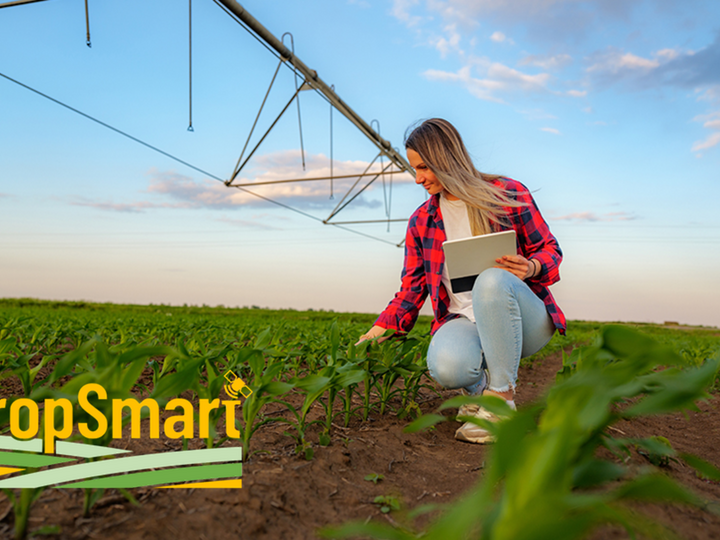
With urea ammonium nitrate in short supply, Nebraska corn growers must make every pound of nitrogen count — start optimizing your N strategy today with these UNL recommendations and tools.
Groundwater regulation impacts on Nebraska land values

Groundwater regulation impacts on Nebraska land values

With new regulations being implemented in Nebraska because of falling groundwater levels, you may be wondering how they will impact the value of agricultural lands in those regions. Ag economists from the University of Nebraska - Lincoln and Daugherty Water for Food Global Institute analyzed what has happened historically. Their findings: Land values were unaffected by groundwater allocations. Neither allocations or well moratoria had any significant effect on the value of land that had already been developed for irrigation. Well moratoria reduced the value of dryland acres by 9%.

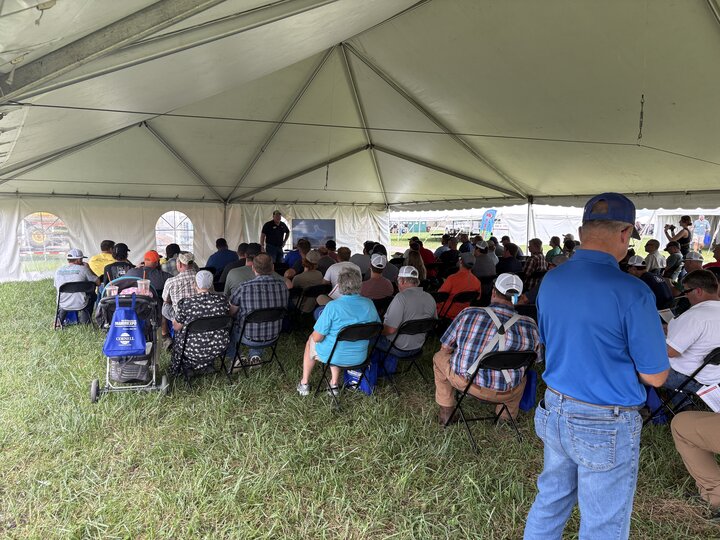
Register for 2026 Nebraska Master Irrigator discussions

Register for 2026 Nebraska Master Irrigator discussions

Join us for this opportunity to dig deeper and 'talk

Phenology

Simulating Crop Phenology by Gregory S. McMaster, from The Regional Institute, 4th International Crop  Science Congress, 2004. Simulating Crop Phenological Responses to Water by Gregory McMaster, John White, A. Weiss, P. Baenziger, Wallace Willhelm, J. Porter, P, Jamieson; USDA Agricultural Research Service; Jan. 2008.

Variety Selection & Tests

EC197, Using Winter Wheat Yield Data to Improve Variety Selection PDF only (224 KB; 8 pages) This extension circular describes a method for comparing and selecting various wheat varieties.

Cover Crops

Crops including grasses, legumes or forbs used for seasonal cover and other conservation purposes. SARE Publications 2007, Managing Cover Crops Profitably, 3rd Edition. Beltsville, MD: Sustainable Agriculture Network, 244 pgs. $19 for book; PDF version available.

Crop Water Use

For more in-depth coverage of Crop Water Use issues, ETgages and Water Sensors, see Agricultural Irrigation.

Irrigation Scheduling

G1579, Using Modified Atmometers (ETgage) for Irrigation Management Describes the atmometer (evapotranspiration gage) and explains how it can be used for irrigation scheduling. Examples are provided to show how information collected with an atmometer can be used to estimate crop water use for corn and soybean. PDF version (975 KB; 4 pages)
What is a pesticide?

What is a pesticide?

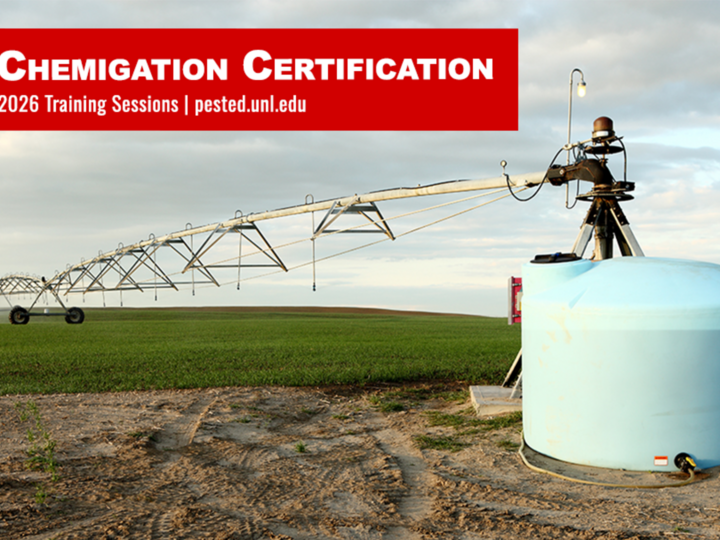
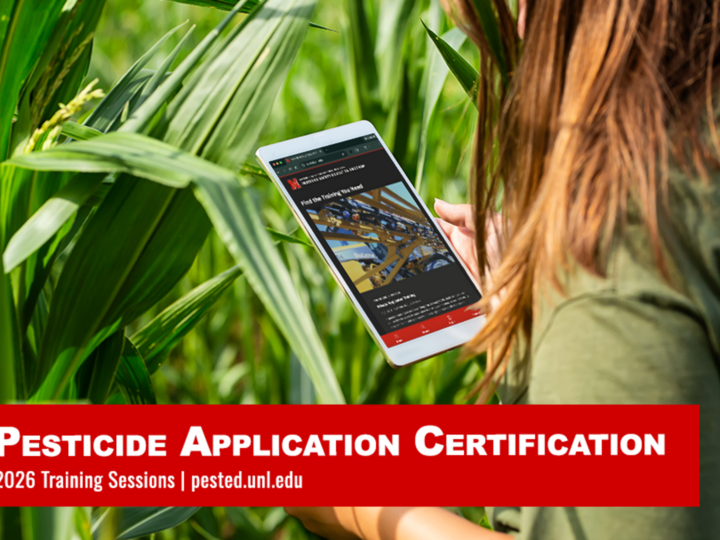
The public is becoming increasingly concerned about the harmful effects of pesticides on the environment. Protecting water and the environment is a key element of the University of Nebraska-Lincoln Extension Pesticide Safety Education Program (PSEP). It is essential that pesticide applicators understand all aspects of the pesticides they use in order to properly manage them. Whether you want to learn more about protecting human health, the environment, becoming certified and licensed, or improving your bottom line UNL Extension PSEP can help!
Integrated Pest Management

Integrated Pest Management

Integrated Pest Management, or IPM, is a long-standing, science-based, decision-making process that identifies and reduces risks from pests and pesticides. It coordinates the use of pest biology, environmental information and available technology to prevent unacceptable levels of pest damage by the most economical means, while posing the least possible risk to people, property, resources and the environment. IPM provides an effective strategy for managing pests in all areas from developed residential and public areas to crop and wild lands.

Chemical & Physical Characteristics of Pesticides

Understanding the chemical and physical characteristics of a pesticide allows the applicator to make better decisions about which pesticide active ingredient and/or formulation to use for a particular situation. Two chemical characteristics of interest are water solubility and volatility. The more water soluble a pesticide is, the greater the potential for runoff and leaching. The more volatile a pesticide is, the greater the potential for drift.

Pesticide Leaching & Runoff Management

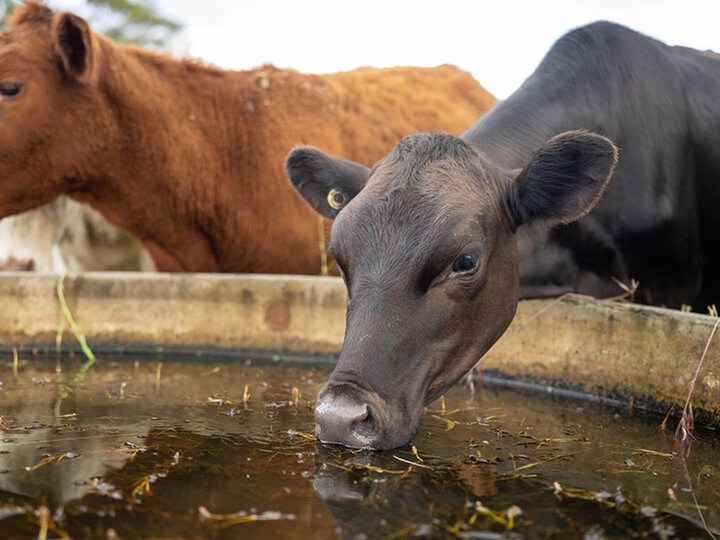
Runoff and/or leaching can occur when pesticides are carried off the application site into water such as rivers, lakes and streams, wells, storm sewers, or into groundwater. Runoff/leaching can occur when too much pesticide is applied or is spilled on the surface, too much rainwater or irrigation water occurs in a short period of time, or highly water soluble pesticides are used. To gain a better understanding of how, where and why water runs off and how to prevent pollution read the following UNL publications:

The production of crops is the heart of Nebraska's economy. Water is essential to all plant growth. Thus Nebraska's economy relies on a plentiful supply of water to produce crops – in both rainfed and irrigated environments. Several factors involved with producing crops interact with either water supply or water quality issues – or both.