Watersheds

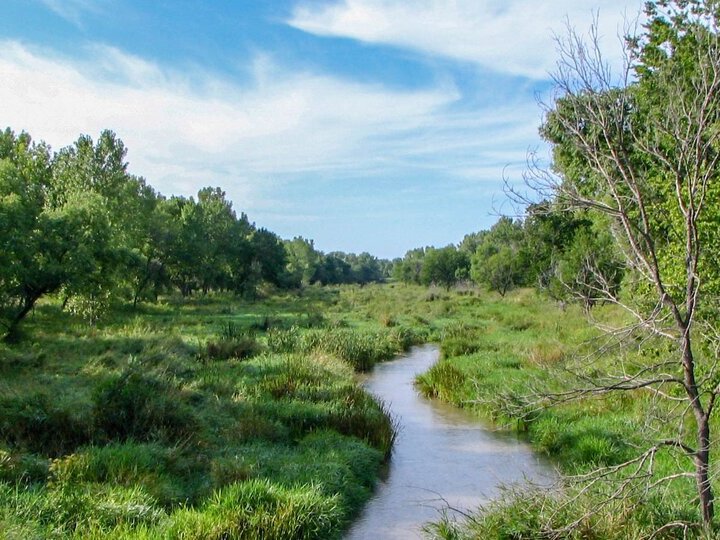
Everyone lives in a watershed. A watershed is the land area that contributes water to a location, usually a stream, pond, lake or river. Everything that we do on the surface of our watershed impacts the water quality of our streams, wetlands, ponds, lakes and rivers. What happens in one locality affects other downstream areas.
Reintroduction of Salt Creek Tiger Beetle Larvae

Reintroduction of Salt Creek Tiger Beetle Larvae

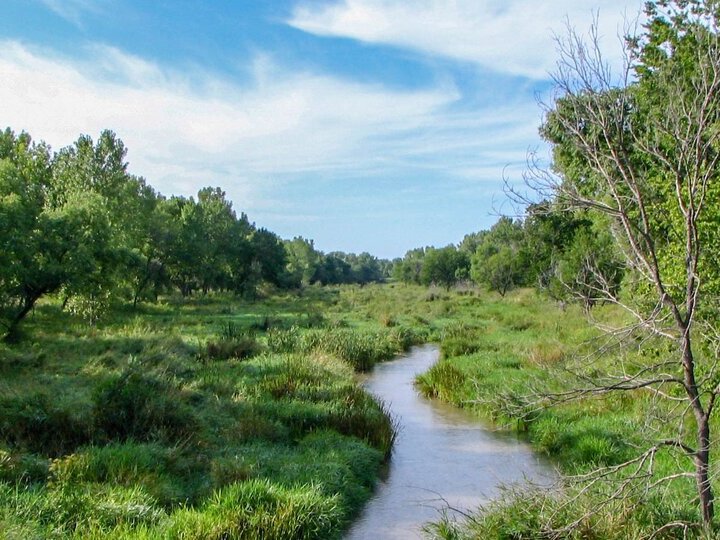
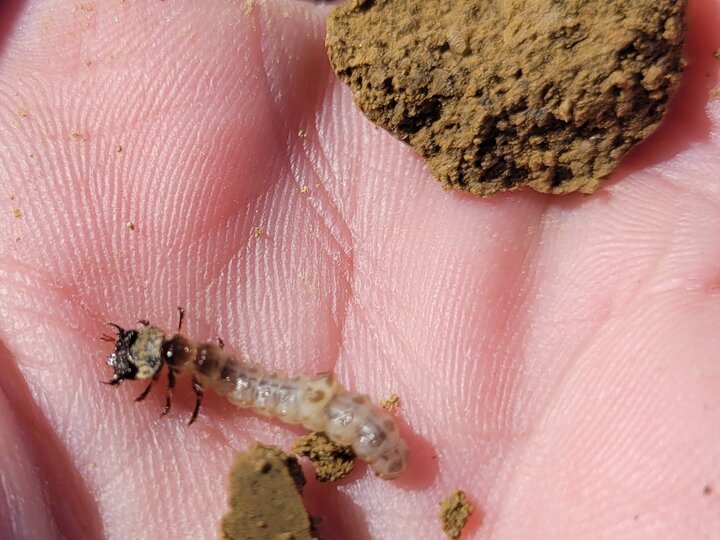
On the morning of April 29, 2026, conservation partners caravanned to a saline wetland just outside the city limits of Lincoln for the important conservation work of reintroducing the larvae of an endangered species, the Salt Creek tiger beetle (SCTB), back into their unique habitat - the saline wetlands and their salt flats.

American Wetlands Month: Definitions, Stories, and Connection

American Wetlands Month: Definitions, Stories, and Connection

May is the American Wetlands Month, which provides us a vital opportunity to consider the importance of these ecosystems, their portrayal in popular culture and media, their current status, and how you can get involved in their conservation, all of which are essential to protecting Nebraskan landscapes. 

Throughout the month, we will highlight different aspects of wetlands and their conservation. This article will focus on definitions, stories, and connections.

Register Now for the  2026 Water and Natural Resources Tour June 22-24, 2026

Register Now for the 2026 Water and Natural Resources Tour June 22-24, 2026

Join the Nebraska Water Center and Central Nebraska Public Power and Irrigation District as we experience the Republican Basin. We’ll go behind the scenes and meet the experts to get a first-hand look at water and natural resources in southwestern Nebraska.


The Shell Creek Watershed Improvement Group: A Nationally Recognized Success

The Shell Creek Watershed Improvement Group: A Nationally Recognized Success

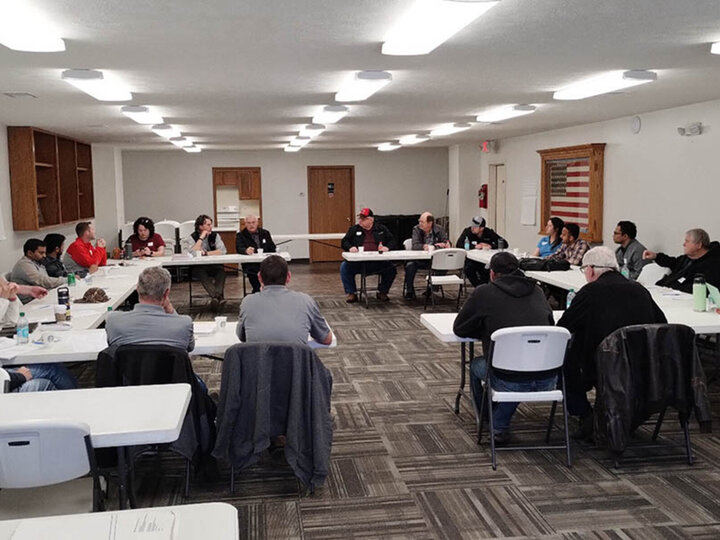
Farmers, community leaders, researchers and extensionists met in March to recap successes of the Shell Creek Watershed Improvement Group (SCWIG). SCWIG has been active for 25-plus years to promote best management practices to improve water quality and reduce flood impacts. The group includes farmers and community leaders who worked with the Department of Environment and Environment (NDEE), Lower Platte North Natural Resources District, several local schools, and other groups and organizations, incrementally growing supporters and funding year over year.
Water Quality Protection Practices

Water Quality Protection Practices

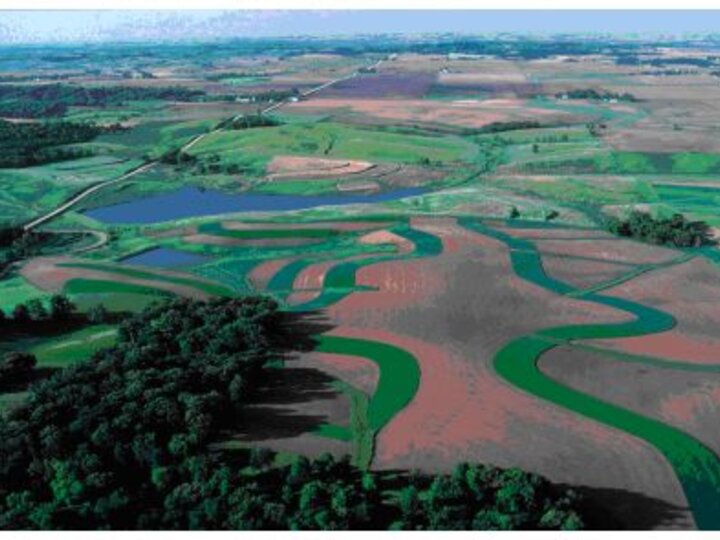
Nonpoint source or runoff pollution is harmful to the water quality of our lakes, ponds, and streams. Many of our daily activities contribute to runoff pollution leaving our property and harming our lakes, ponds, and streams. Water quality protection practices help to reduce runoff pollution and protect our water resources.

Publications on Watersheds & Watershed Management

Sediment, nutrient, and pesticide losses in runoff are major pollutants of surface waters in the Midwest. Targeting of Watershed Management Practices for Water Quality Protection addresses best management practices in watersheds or landscapes to maximize the impact of investments in water quality protection. This full-color, 23-page document is intended as a resource for those who advise on or practice land and water management.

Watershed Planning & Management

Watershed planning and management comprise an approach to protecting water quality and quantity that focuses on the whole watershed. This approach is necessary due to the nature of polluted runoff, which in most watersheds is the biggest contributor to water pollution. Polluted runoff is a caused by a variety of land use activities including development, transportation and agriculture, and may originate anywhere in the watershed. Watershed planning and management involves a number of activities including:

Frequently Asked Questions about Watersheds

What is a watershed? A watershed is an area of land that drains to a common waterway, such as a stream, lake, estuary, wetland, or, ultimately, the ocean. Do I live in a watershed? Yes, everyone lives in a watershed. How can I find out my watershed address? Go to the EPA web page Surf Your Watershed What are water quality protection practices or best management practices?

Focused Watershed Projects

Focused watershed projects bring together the combined resources and knowledge of many agencies and organizations to solve local watershed issues. Focused watershed projects that involve University of Nebraska–Lincoln Extension include the following. (By clicking on the linked titles you may go to the individual project Web site.)
Introduction to Watersheds

Introduction to Watersheds

Everyone lives in a watershed. A watershed is the land area that contributes water to a location, usually a stream, pond, lake or river. Everything that we do on the surface of our watershed impacts the water quality of our streams, wetlands, ponds, lakes and rivers. What happens in one locality affects other downstream areas.
Stream Biological Monitoring

Stream Biological Monitoring

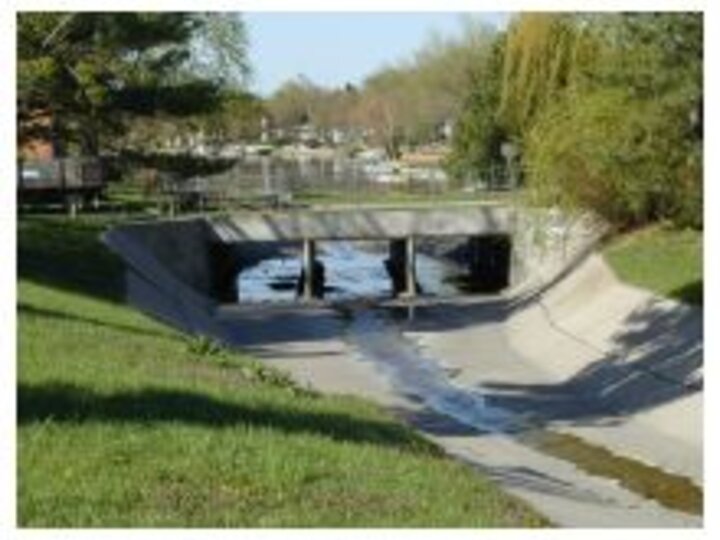
Rivers and streams are complex. They are filled with a dizzying array of life, from relatively simple bacteria and algae to more complex forms such as plants, insects, and fish. When everything is working well, rivers provide many benefits to society, including fishing and other recreation opportunities, drinking water, irrigation, and transportation. However, there are also many ways that people can disrupt the natural functioning of rivers. For example, it may be necessary for cities to build systems that rapidly remove rain water to prevent flooding damage to homes and businesses.
Sandpit Lake Basics – Where does the water come from?

Sandpit Lake Basics – Where does the water come from?

Lakes are classified in a number of ways to help us understand how they function, make predictions, assess ecosystem health, and establish management strategies or regulations.  They are most commonly classified by the lake’s ability to support plant and animal life, or productivity. They can also be classified based on the water supply, how humans use them, plant and animal communities, or how they were formed (e.g.  glacier retreating, volcanic eruption, made by man).

Everyone lives in a watershed. A watershed is the land area that contributes water to a location, usually a stream, pond, lake or river. Everything that we do on the surface of our watershed impacts the water quality of our streams, wetlands, ponds, lakes and rivers. What happens in one locality affects other downstream areas.