Water & Climate

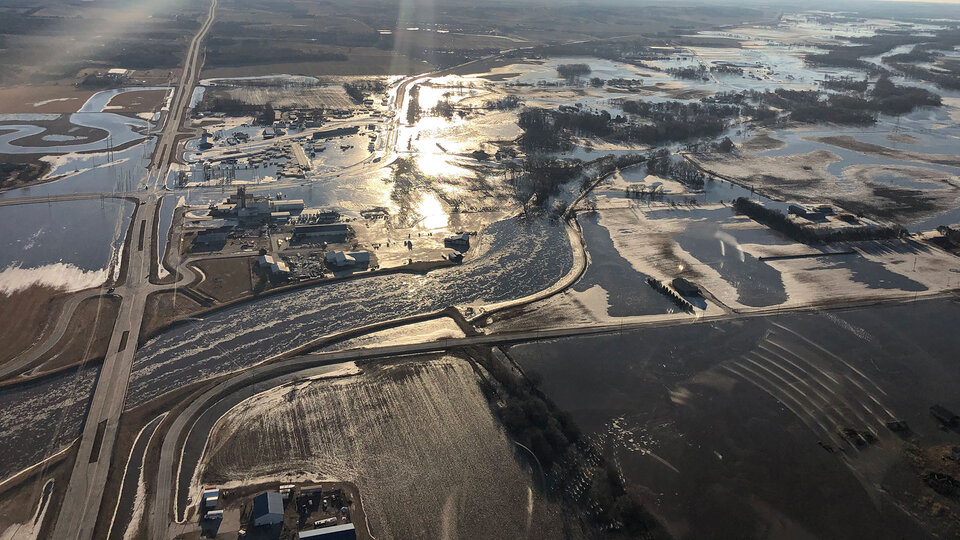
Aerial photo of a flooded landscape.
Managing Mud in the Feedyard: Focusing on What Matters Most

Managing Mud in the Feedyard: Focusing on What Matters Most

Poor pen conditions can quietly erode feed efficiency, increase maintenance requirements, and drive up cost of gain throughout the feeding period. While the weather cannot be controlled, feedyard design and maintenance decisions can help to minimize the impact of mud and protect profitability. The best strategy for managing mud is mitigating it before it becomes a problem. Feedyards that prioritize drainage and maintain functional pen mounds are often better equipped to minimize mud, improve cattle comfort, and protect performance during wet conditions.
Benchmarking Irrigation Decisions: Lessons from UNL-TAPS

Benchmarking Irrigation Decisions: Lessons from UNL-TAPS

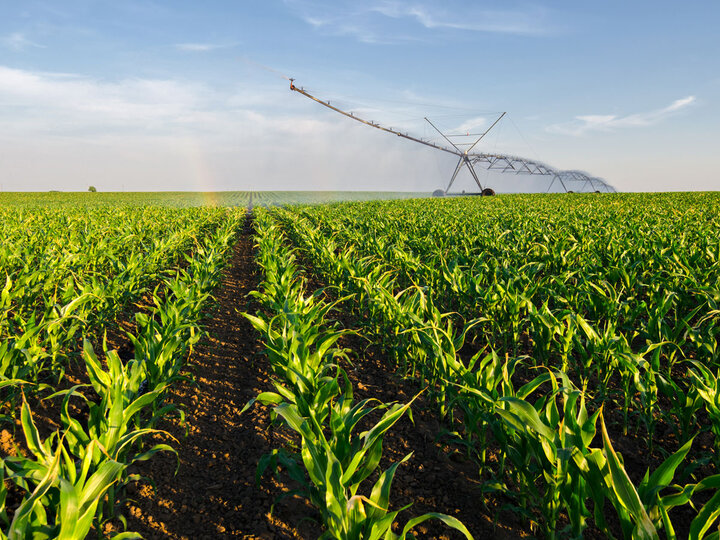
Data from UNL-TAPS indicate that Nebraska irrigation management is more nuanced than simply saying producers apply too much or too little water. Many TAPS teams were close to the model-estimated optimum, and the magnitude of over-irrigation was smaller than reported in some previous studies. This study highlights that effective irrigation management is not simply about using less water, but about matching applications to crop needs while balancing yield, pumping costs, water-use efficiency, and risk.

Upcoming Events