Drinking Water and Wells

How much do you really know about the water you drink every day? Where does it come from? Is it safe to drink? Is a home water treatment system necessary? How can drinking water be protected? Explore this section for more detailed information that will help you answer questions or solve problems you may have.

Nebraska Extension Issues an Important Reminder for Statewide Private Well Drinking Water Testing

Nebraska Extension Issues an Important Reminder for Statewide Private Well Drinking Water Testing

Nebraska Extension is urging residents who rely on private wells for their drinking water to take immediate action to test their drinking water and treat any identified risks. Annual testing and recommended treatment is the only reliable way to ensure water safety and protect household health.

Well & Septic Owner’s Checklist

Well & Septic Owner’s Checklist

Well & Septic Owner’s Checklist

💧Inspect your wellhead and area around it in the spring and fall. Perform maintenance as necessary: 

Visiting researcher gives special seminar on microplastics and nanoplastics in drinking water

Visiting researcher gives special seminar on microplastics and nanoplastics in drinking water

On April 10, the Nebraska Water Center hosted a special seminar on microplastics and nanoplastics in drinking water. Visiting researcher Dr. Thomas Grischek, professor of Water Management at the Department of Civil Engineering, University of Applied Sciences Dresden, Germany, provided an engineer’s perspective on the management and treatment of microplastic and nanoplastic particles in drinking water.
Haskell Ag Lab hosts Nitrate and Beyond for safe drinking water

Haskell Ag Lab hosts Nitrate and Beyond for safe drinking water

Concord, Nebraska – March 25, 2026 – Join the Haskell Ag Lab and Nebraska Extension for Nitrate and Beyond: Ensuring your family has safe water on April 30, 2026, from 5:30 to 7pm.

Whether you rely on city water or draw from a private well, understanding how to test and treat drinking water for contaminants is essential for protecting your family’s well‑being. Join us for a community‑focused lecture that breaks down the hidden risks—like bacteria, nitrates, and other pollutants—and shows how proper testing and treatment can keep every household safe. 

Problematic frozen pipes can be prevented with routine, prewinter maintenance

Problematic frozen pipes can be prevented with routine, prewinter maintenance

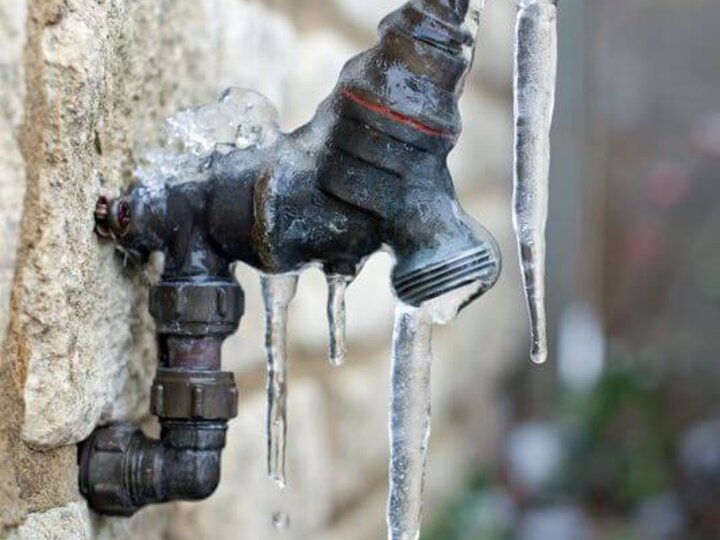
Winter is on its way which means it is time to assess and insulate the pipes in your home’s crawl spaces and attic. Both plastic and copper pipes can freeze, and frozen water pipes affect folks who live in both cold and warmer climates. By conducting routine preventative maintenance, one can greatly reduce the risk of potentially expensive damage that frozen water pipes can cause.

Well & Septic Owner’s Checklist

Well & Septic Owner’s Checklist

Well & Septic Owner’s Checklist

💧Inspect your wellhead and area around it in the spring and fall. Perform maintenance as necessary: 

What You Need to Know About Having a Well Drilled

What You Need to Know About Having a Well Drilled

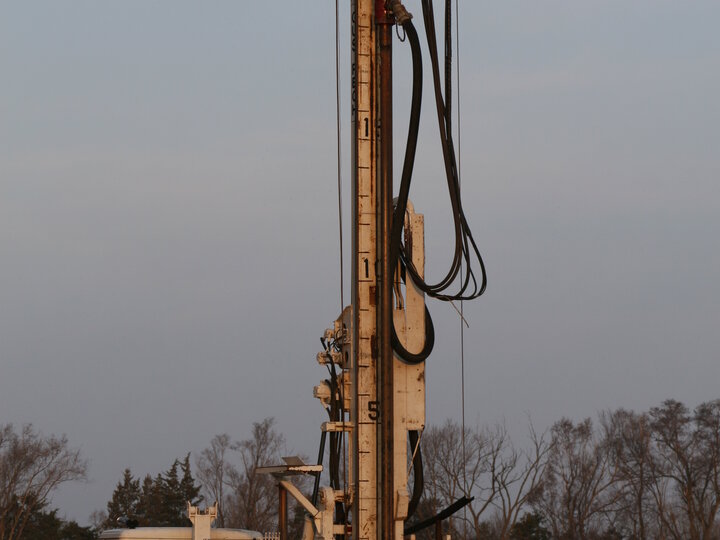
Those residences that are not served by a public water or rural water system need a source of water for both consumption and daily needs. A private well most often fulfills these needs. While the cost of drilling a well is a lesser expense in the overall purchase or building of a home, it is a necessary expense to provide the residence with a useable water supply and it adds value to the property.

Reviewing Your Water Needs

It’s Time for Private Well Maintenance

It’s Time for Private Well Maintenance

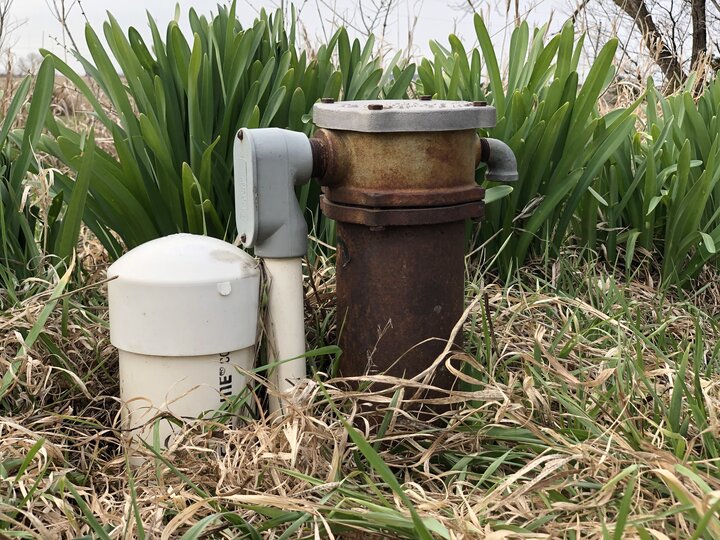
Mid-late spring or early summer is the prime time to conduct a private well maintenance check. Winter can be especially hard on outdoor systems; surfaces and landscaping that are subject to the elements. Getting in the habit of inspecting and maintaining your well system in the spring and the fall is a good habit to get into. It will help ensure everything operates efficiently and can potentially save you from shelling out money for costly repairs.

INSPECTION

No Matter Where You Live, Submit a Request Before You Dig!

No Matter Where You Live, Submit a Request Before You Dig!

Spring is here and that often means its time start outdoor projects. Whether you are spading in new trees, putting in a koi pond or other excavated landscape features, drilling a new well, or installing a new onsite wastewater system, you want to make sure a ‘Locate Request’ has been submitted to Nebraska811 before digging.

Nebraska811 is the statewide one-call notification center, set up by Nebraska state law. It is the link between people who want to excavate and the underground facility owners/operators.

Be Groundwater Aware in Your Day-to-Day Life!

Be Groundwater Aware in Your Day-to-Day Life!

National Groundwater Awareness Week is March 9–15, making it the perfect time to talk about groundwater in Nebraska! What exactly is groundwater? It is the water below the earth’s surface that fills the interconnected voids and cracks in and around soil particles, sand, gravel and rock — all of this is what we call an aquifer. Groundwater is the most abundant supply of freshwater in the world and is the water source that private drinking water, irrigation, livestock and many public water-supply wells draw from.

Managing Hard Water

Managing Hard Water

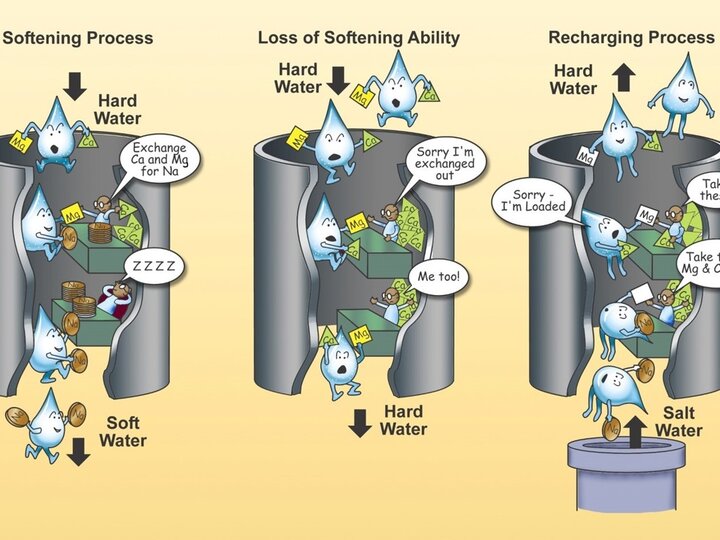
Many parts of Nebraska have hard water. Hard water has a high mineral content; hardness primarily refers to the amount of calcium (Ca) and magnesium (Mg) dissolved in the water. Hard water is not just a private well owner’s problem, it affects many municipal water users, too. While hard water does not present a health risk for the vast majority of the population, it is often a nuisance for rural and urban homeowners across the state. Having your well water tested for hardness is helpful in assessing what treatment system will work best.

Drinking Water Treatment

Drinking Water Treatment

A variety of water treatment processes are available to the homeowner, differing in the types of chemicals removed, location within the home, and operating and maintenance requirements.

How much do you really know about the water you drink every day? Where does it come from? Is it safe to drink? Is a home water treatment system necessary? How can drinking water be protected? Explore this section for more detailed information that will help you answer questions or solve problems you may have.