Selecting Plants for a Perennial Garden
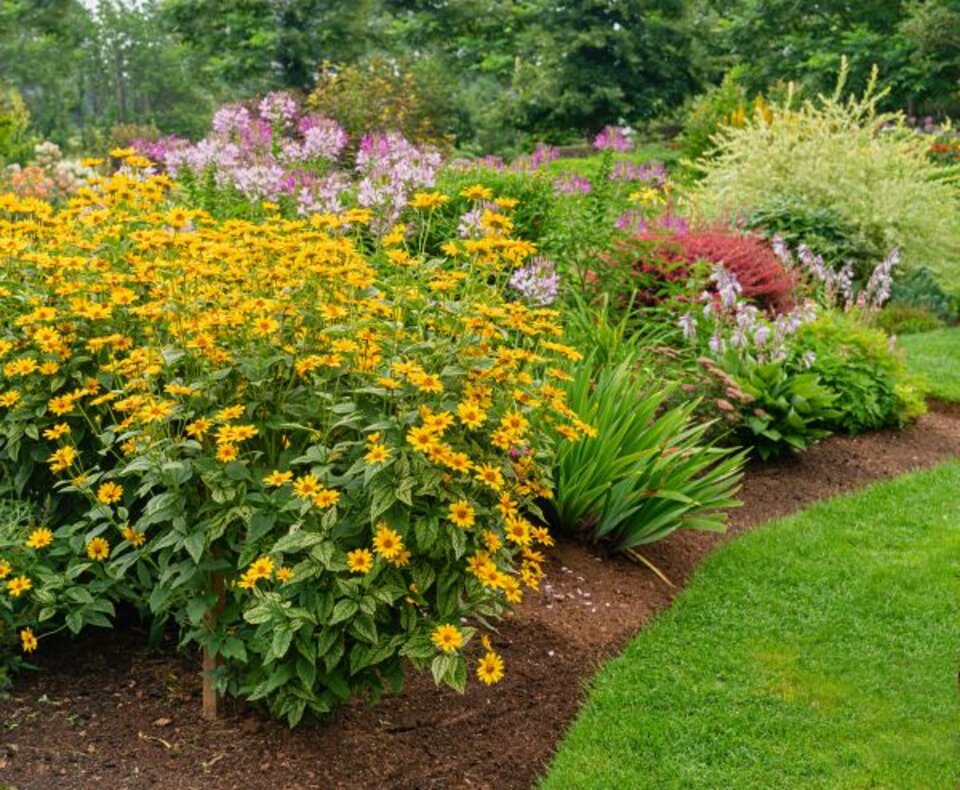
Landscapes are never complete. If you are like me, you always have a few plants die out or others that don’t perform in your landscape as you had imagined making room to try different plants. Looking at the planting season, here are a few tips to help you with your landscape.
Annuals vs Perennials
One of the first things to decide is if you want annuals or perennials or a mix of both. Both types of plants have their benefits, and I like a mix in my gardens.
Annual plants only live for one year and then die. These plants go through their full lifecycle in one season. Annual plants will flower longer during summer than perennial plants but will need to be replanted every year.
Perennial plants grow for three or more years from the crown of the plant. These are plants that have a shorter bloom period, but they will continue to live for many years and don’t have to be replanted.
Hardiness Zone
When choosing your perennials make sure they are tolerant of our Hardiness zone to ensure plants will survive through winter temperatures. Southeast Nebraska is in zones 5b-6a, this comes from a change in 2023 to the hardiness zone map, Gage County is in zone 6a. The hardiness zone is a rating based on our average annual extreme minimum winter temperature which is negative 5 to negative 10 degrees for zone 6a and negative 10 to negative 15 degrees for zone 5b.
Growing Requirements
Plants will perform better and look better in our landscape if we grow them in their best growing conditions. Group plants together with similar growing requirements for ease of management, this includes sunlight, irrigation needs, and best soil type.
Sunlight is very important for plant growth. Full Sun plants need at least 6-8 hours of sunlight daily. Part Sun plants need 4-6 hours of sunlight per day. Part Shade plants require 2-4 hours of sunlight daily, and Full Shade plants do still need some sunlight but less than 2 hours of sunlight per day will be adequate. Choose plants that meet the sunlight availability in your landscape. Plants that need more shade will get leaf burn if planted in too much sunlight. Plants growing in too much shade than preferred will be stunted, may bloom less, and could get more disease problems.
Planting
Planting new annuals and perennials should be done after the last frost of the year which is April 24th for Beatrice or the last week of April for most of southeast Nebraska. I wait until closer to Mother’s Day for annuals because they are very sensitive to frost.
Mulch
Mulch is key to any garden. Mulch helps reduce weeds and helps reduce damage to plants from getting too close with the lawnmower or weed trimmer. Organic mulches have more benefits than inorganic mulches. It keeps a uniform soil temperature around plants, maintains moisture, and adds organic matter to the soil as it breaks down. Good choices for mulch in a landscape bed are wood chips, straw, or pine needles. Be sure to keep the mulch only 2-3 inches deep and don’t mound it up around plants or trees, it should be a uniform depth across the mulch ring.
Irrigation
Irrigation is key to an appealing landscape. Most flower beds need about an inch of water per week. Irrigate plants when rain hasn’t occurred for several days. Irrigate flower gardens with a sprinkler, drip irrigation, or soaker hoses. Drip irrigation and soaker hoses are best because they don’t leave the plant leaves wet which can lead to more disease problems. Irrigate landscape beds separately from turf, due to different irrigation needs. Check for irrigation need and depth by using a long screwdriver pushed into the soil.
*Reference to commercial products or trade names does not imply endorsement by Nebraska Extension or bias against those not mentioned.
This article was reviewed by John Fech