Animal Manure Management

Recycling local manure nutrients before purchasing fertilizer is key to protecting the environment. Manure can be an economic “Win”, due to its fertility value, and a soil quality “Win”, due to its organic matter.  But it can also be a community risk, due to odors and pathogens. Our live educational programs, online courses, and resources provide science-based information on economically viable, environmentally sound manure handling systems that also comply with all regulations.

New UNL Manure Nitrogen Crediting Recommendations for Crop Fertility

New UNL Manure Nitrogen Crediting Recommendations for Crop Fertility

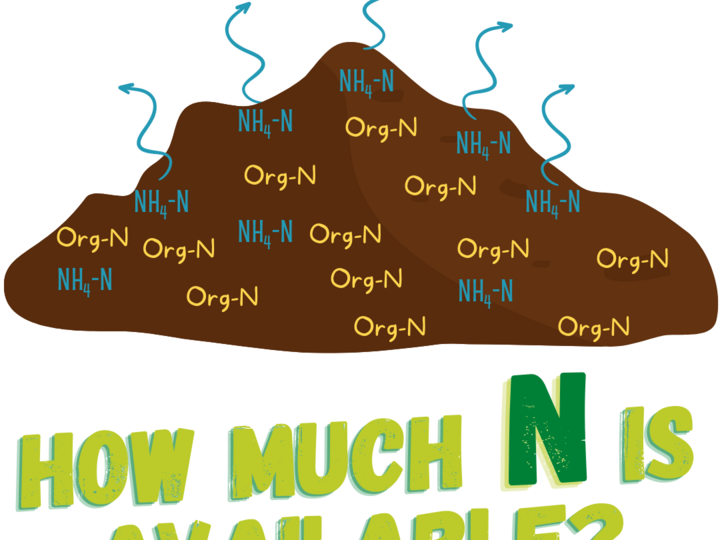
University of Nebraska-Lincoln (UNL) has changed recommendations for crediting nitrogen following manure applications for field crops. New research has shown that most manures are similar changing the organic-nitrogen availability factors.

Carbon Sources for Composting HPAI Mortalities

Nebraska Extension is calling on municipalities, lawn care companies, farmers and others to donate or sell wood chips, hay, lawn waste and other carbon sources to livestock producers hit hard by Highly Pathogenic Avian Influenza (HPAI).
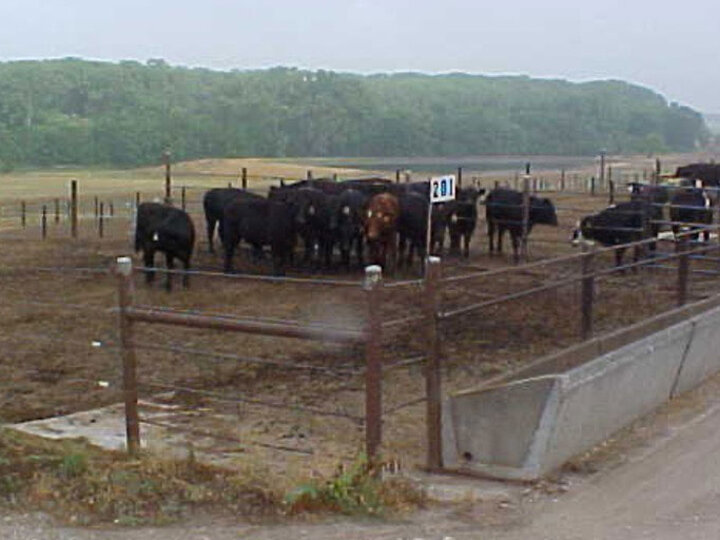
Meeting Water Needs of Cattle in the Feedlot

Meeting Water Needs of Cattle in the Feedlot

Various factors affect water intake; but temperature, humidity and feed intake are the main drivers. Additionally, the first heat events of the season (late May and early June) are the most stressful on cattle: cattle are generally reaching finishing weight and condition, they are not acclimated to heat, and they have not shed their winter coat. This transition also catches managers and staff off guard as they are focused on late-winter yard management.

Waste to Worth Tour Piques Interest in Nebraska Replication

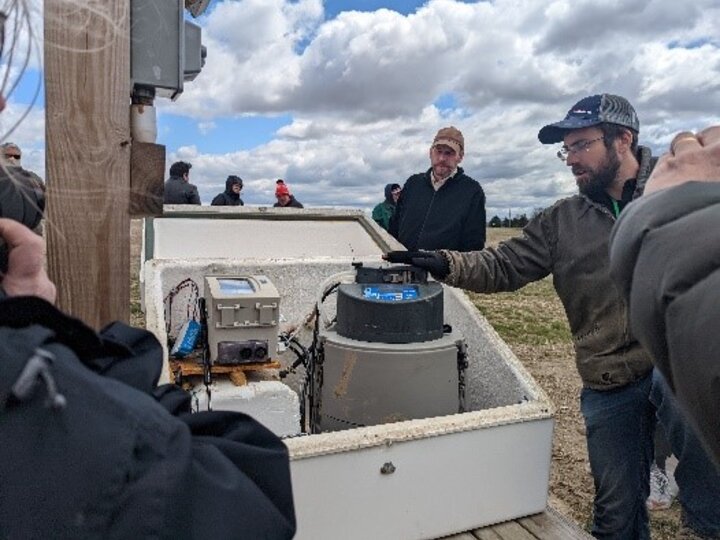
In April, I traveled to Ohio to attend the Livestock and Poultry Environmental Learning Community’s Waste to Worth Conference. A highlight of this year’s conference is that the first day we all got to tour area farms and businesses that are doing great things with manure or other waste products.
Waste to Worth 2022: Is waste, just waste when it has a value?

Waste to Worth 2022: Is waste, just waste when it has a value?

This year I had the opportunity to attend Waste to Worth 2022, a conference by the Livestock and Poultry Environmental Learning Community (LPELC). We had three tour options, and I chose the tour on alternative technologies and treatments. Very different experiences, scenarios and lessons were learned during the tour.
 Budget woes lead to weather station closures

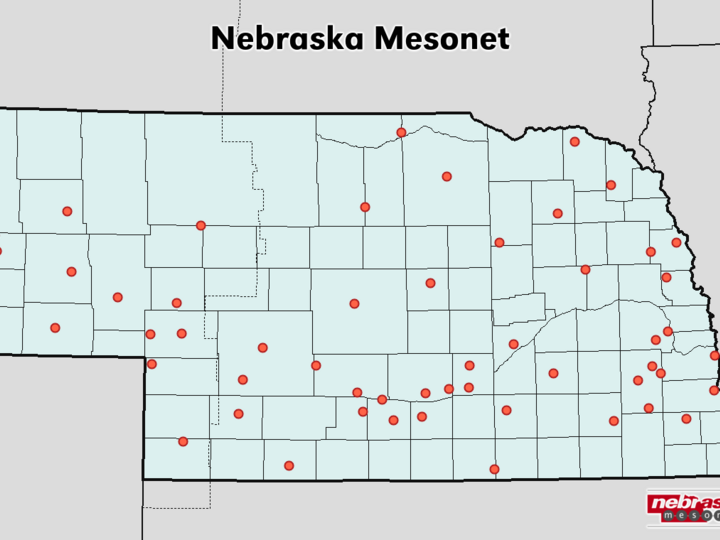
Budget woes lead to weather station closures

Leading into the sixth year of appropriation shortfalls, Nebraska Mesonet weather stations that are not contracted specifically by clients are slotted for closure to cut costs and reduce labor overhead.
Not All Manure is Created Equal

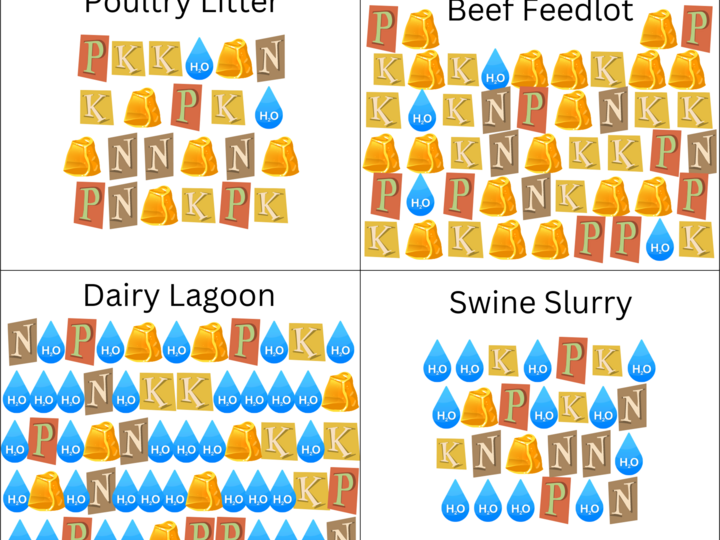
Not All Manure is Created Equal

Chicken, Beef, Swine and Dairy are all manures. All are valuable, but are they equal? Absolutely not. I could rank them by smell, another by their nutrient content, another by proximity to them, and yet someone else could separate them for their ability to influence soil health charateristics. This article will discuss a little about the different kinds of manure and explain why not all of this valuable product is created equal.
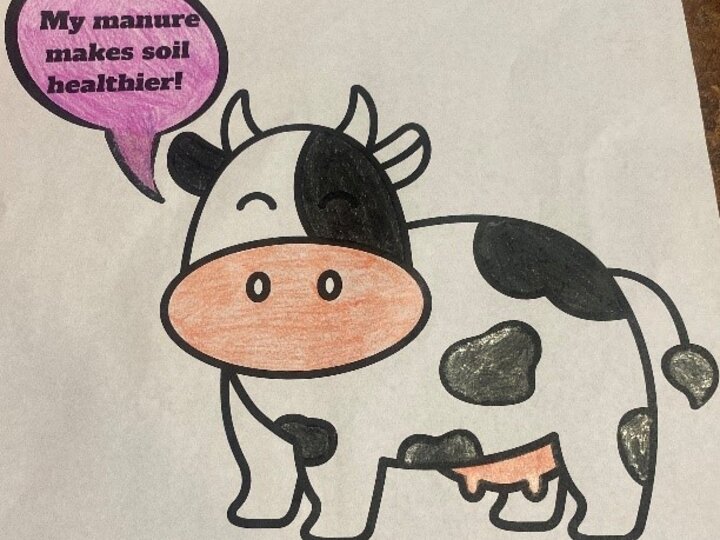
The UNL Animal Manure Management team’s first Art Challenge comes to an end with state-wide contributions showing how much “Manure Matters in Nebraska”

The UNL Animal Manure Management team’s first Art Challenge comes to an end with state-wide contributions showing how much “Manure Matters in Nebraska”

During our in-person events this summer, we had a lot of fun talking with kids of all ages about the diverse types of manure, how manure provides nutrients to growing crops, and how manure helps improve soil health and water quality. We hope that all the kids we talked to learned how much manure matters in Nebraska. We also asked our in-person participants to submit some of their own more artistic interpretations of how “Manure Matters in Nebraska” for a chance to win a fun prize.
 Soils School to Feature Soil, Water and Nutrient Management Concepts

Soils School to Feature Soil, Water and Nutrient Management Concepts

In this two-day course, NU experts will be discussing the latest research on soil fertility, precision ag for nitrogen management, cover crop effects on soil, soil carbon sequestration and more.
Nebraska NRCS announces ACT Now Signup 2

Nebraska NRCS announces ACT Now Signup 2

Nebraska NRCS has announced ACT Now Signup 2 for initiatives and EQIP programs. An ACT Now signup process will be utilized for the Bazile, Big Sandy and Turkey Creek NWQIs and EQIP CPAs, DIAs, and CEMAs. Applications that may have been received for these initiatives after the November 18, 2022 EQIP application cutoff but prior to the December 19,2022 Signup 2 announcement, are eligible as well.
Manure Improves Soil Health and Provides Yield Stability and Reliability

Manure Improves Soil Health and Provides Yield Stability and Reliability

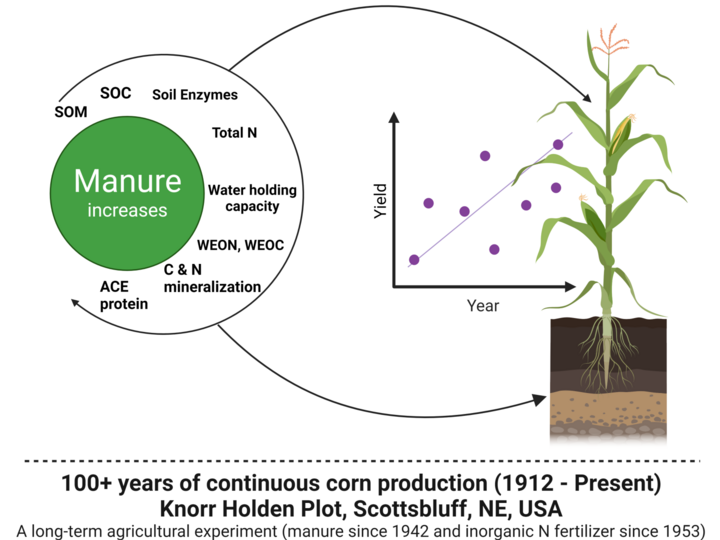
Cattle manure is a valuable resource for farmers, as it contains an abundance of macro and micronutrients that are essential for plant growth and development. The nutrients present in manure, such as nitrogen (N), phosphorus (P), potassium (K), and other minerals are essential for soil fertility. One of the most significant advantages of using cattle manure as a fertilizer is that it can enhance the soil organic matter (SOM) content. Soil organic matter plays a crucial role in improving soil structure, water-holding capacity, and nutrient availability. Moreover, cattle manure can also increase the changeable fractions of carbon (C) & nitrogen (N) and enhance soil microbial activity, which is crucial for the decomposition and stabilization of soil organic carbon (SOC). The Knorr Holden plot, located at the Panhandle Research, Extension, and Education Center, Scottsbluff, Nebraska presents a unique opportunity for studying the impact of long-term manure (more than 77 years) applications on soil health and crop productivity.
Calculating the Value of Nutrients in Manure

Calculating the Value of Nutrients in Manure

“How much is this manure worth?” This is a common question from both livestock farmers who are supplying manure and crop farmers who are utilizing it. To answer this question, it is important to understand the difference between gross value and net value. The gross value of manure reflects the equivalent commercial fertilizer value of the nutrients contained in the manure. The net value considers the impacts of application method, transportation, and cropping system nutrient needs as well as intrinsic values that are much more difficult to put a number on. Therefore, this article will focus on determining the gross value of nutrients in manure.

Recycling local manure nutrients before purchasing fertilizer is key to protecting the environment. Manure can be an economic “Win”, due to its fertility value, and a soil quality “Win”, due to its organic matter.  But it can also be a community risk, due to odors and pathogens. Our live educational programs, online courses, and resources provide science-based information on economically viable, environmentally sound manure handling systems that also comply with all regulations.