Recommendations for collecting soil samples to ensure the quality results needed for good management decisions about fertilizer, manure and lime application rates.
Managing manure for economic and environmental benefit is based, in part, upon our ability to efficiently recycle manure nitrogen (N) between animals and crops. This article introduces University of Nebraska-Lincoln (UNL) proposed changes in recommendations for crediting manure nitrogen in a crop’s fertility program.
Extending the window for manure application offers many possible advantages. One can reduce some of the labor and equipment challenges associated with busy spring application windows as well as deliver nutrients to the crop more closely timed to the crop’s nutrient’s needs. Glen Arnold, Extension Specialist at Ohio State University recently met with a Nebraska audience to share field experiences in Ohio to side-dress manure into growing corn.
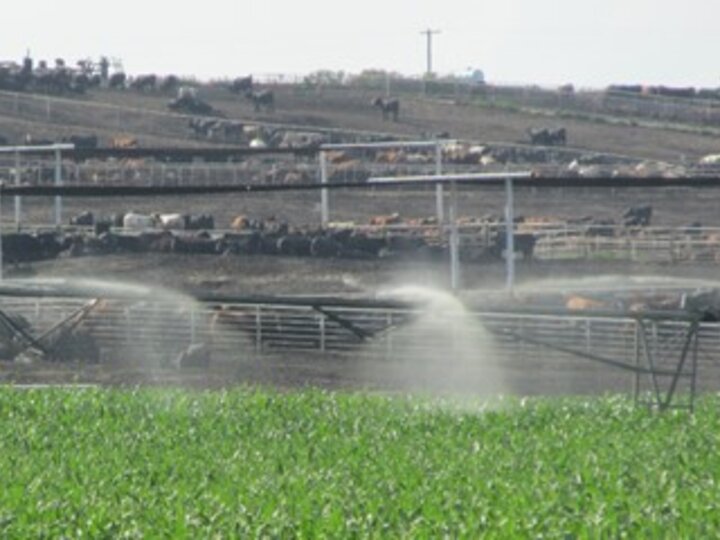
High rainfalls can leave holding ponds or manure storage full and operators looking for irrigation options for applying animal manure during the growing season. This article discusses important considerations for application of open lot holding pond effluent and diluted manures during the growing season without damaging the crop.
Animal manures can be a “valuable asset” or a “pain in the assets”. Understanding the agriculture community's perceptions of manure's benefits and barriers is important to recycling manure nutrients efficienty. A survey of 957 individuals from the U.S. and Canada is helping us understand the next steps to encouraging manure's use as a valuable asset.
Animal manures can be a valuable asset or a “pain in the assets”. During winter of 2020, 957 farmers and their advisors shared their perspective on the benefits and barriers to manure use. A previous article (part 1) focused on perceptions of manure's benefits. This article (part 2) focuses on their perceptions of manure’s challenges that commonly become barriers to manure use in some fields and discusses strategies for preventing manure from becoming a “pain in the assets”.
The misconception about manure being just a waste and harmful biproduct of the cattle and livestock industry is still a big concern. A group of researchers and extension educators have joined efforts with farmers across Nebraska to find the value of manure as a source of nutrients in crop fields in the Sandhills and reduce the environmental impacts caused by this industry. At the same time, they are trying to incorporate residues from red cedar trees that are currently threatening the Nebraskan wildlife and ecosystems due to its rapid expansion.
Fertilizer-N is a big investment for crop production in Nebraska and elsewhere. After harvest, growers tend to plan their fertilizer-N management for the next year’s crop. But the question is how much nitrogen can they apply to get the most profit from their fertilizer-N investment?
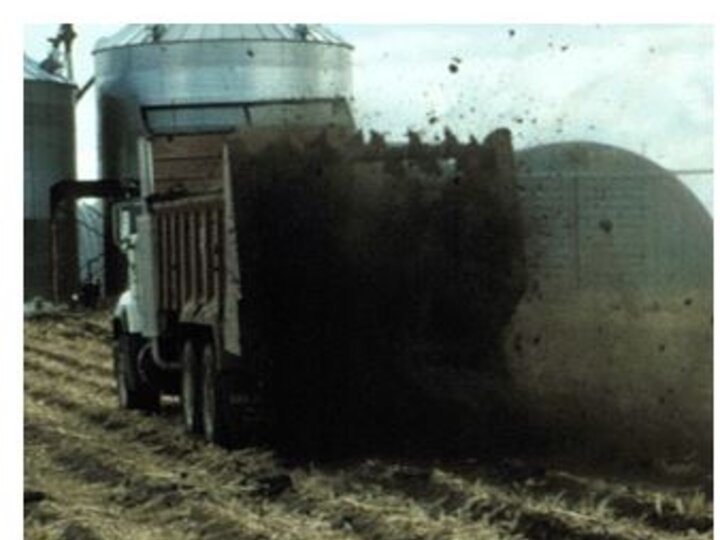
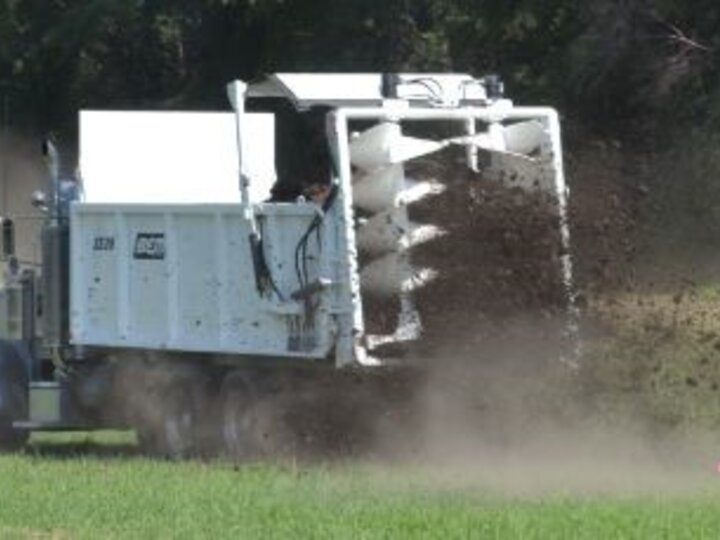
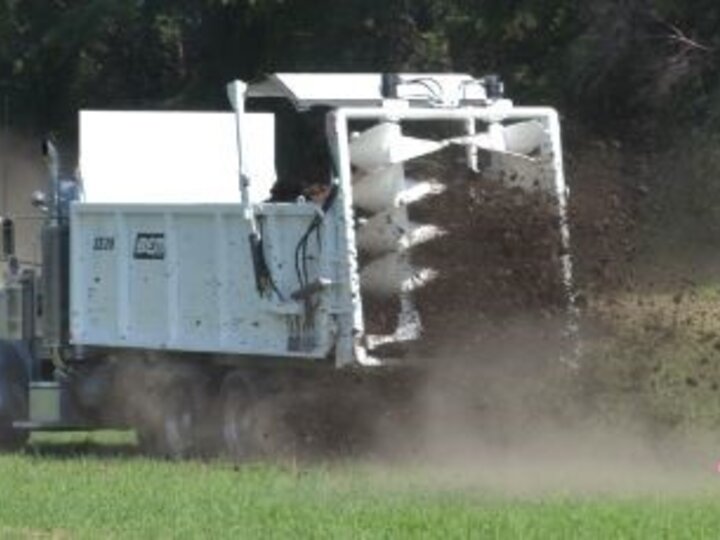
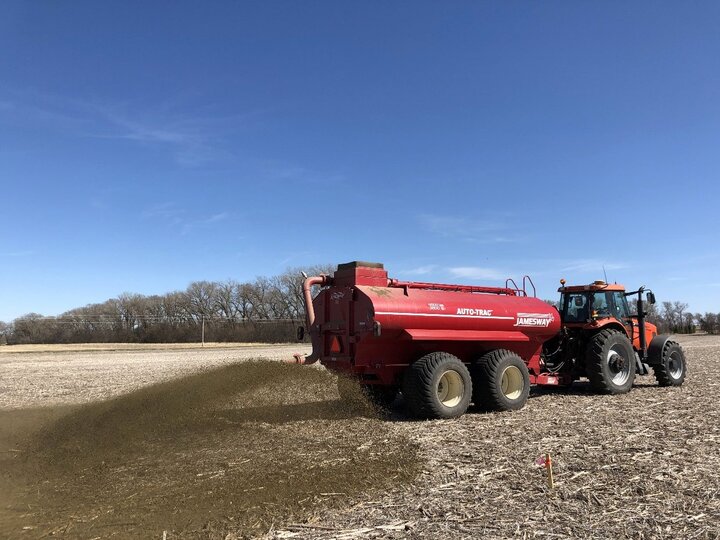
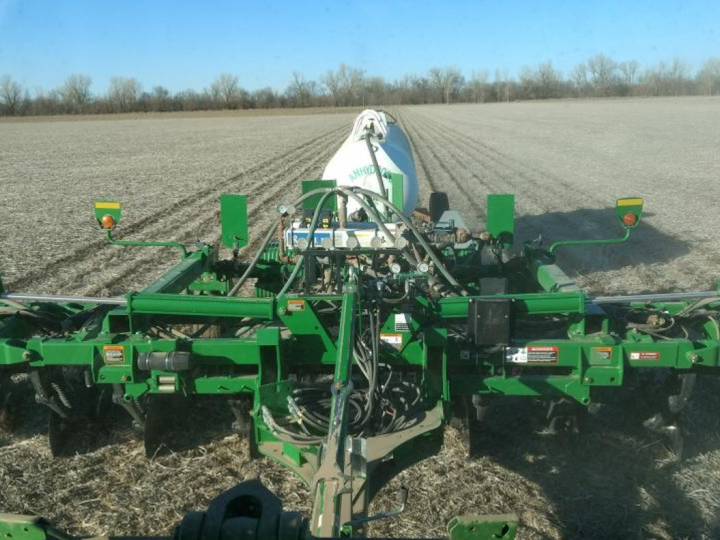
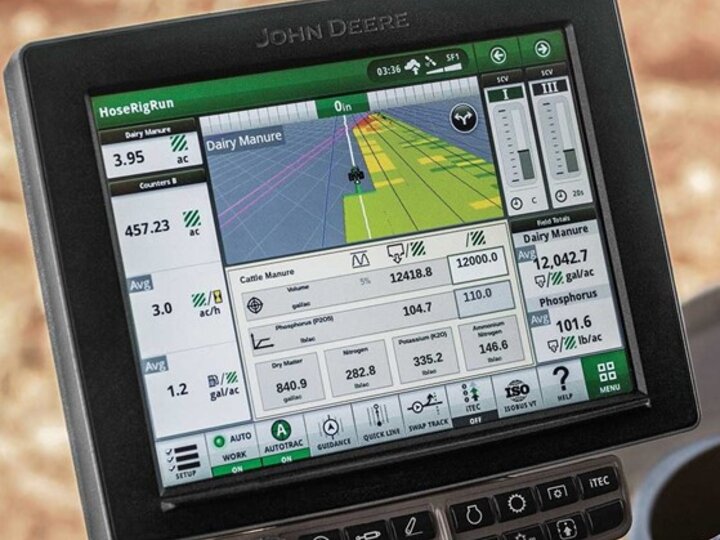
Current manure application practices have little to no precision application capabilities compared to other modern agricultural equipment. Due to some recent emerging technologies being released on the market, manure application is finally joining the digital age. This article summarizes these new precision manure application technologies.
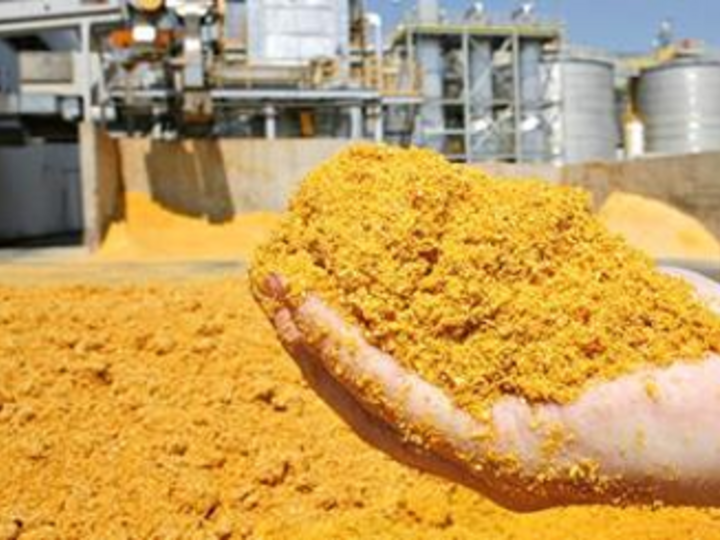
Supplemental protein has historically been the most expensive component in beef cattle diets. However, over the past 20 years with the rapid expansion of ethanol production and distillers grains supply, rations have changed.
Manure produced in animal feeding operations is a source of fertilizer that can be used to reduce our dependency on commercial fertilizers. Manure contains several essential nutrients that crops that crops rely on to grow, most notably nitrogen and phosphorus. Proper management of manure before, during, and after land application helps to slow down the contamination of our streams and reservoirs.
Nebraska’s livestock industry can benefit from manure generated in the integrated animal and corn agricultural system. Farmers, who only run crop operations, can also benefit from animal manure field applications.