Crop Production

The production of crops is the heart of Nebraska's economy. Water is essential to all plant growth. Thus Nebraska's economy relies on a plentiful supply of water to produce crops – in both rainfed and irrigated environments. Several factors involved with producing crops interact with either water supply or water quality issues – or both.
UNL Researchers Advance Soil Health Cycle Concept

UNL Researchers Advance Soil Health Cycle Concept

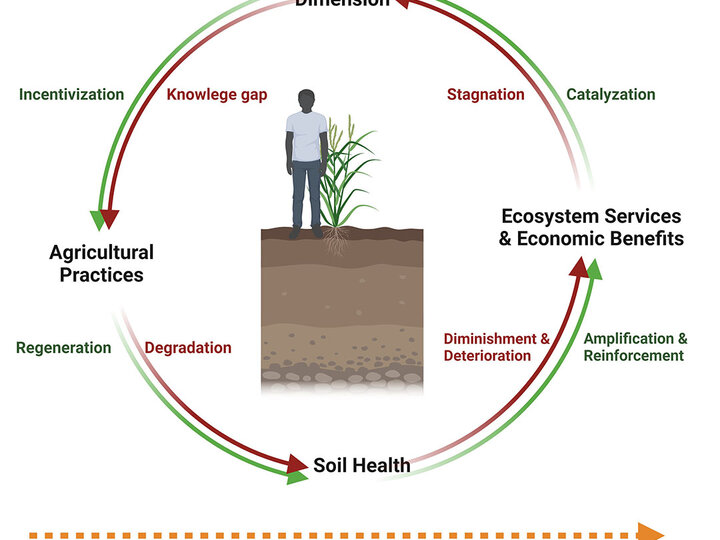
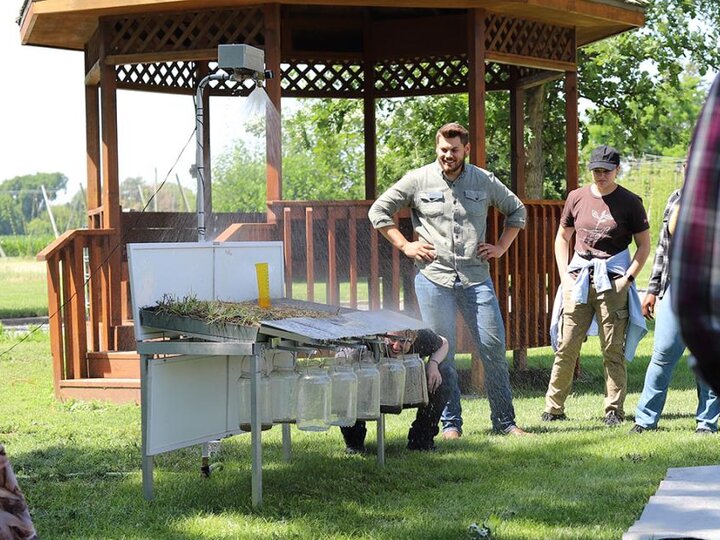
Inspired by an extension event survey comment, Dr. Bijesh Maharjan, associate professor and extension specialist at the University of Nebraska-Lincoln Panhandle Research, Extension and Education Center, conceptualized the soil health cycle (SHC) as an iterative soil health management cycle to achieve agricultural sustainability.
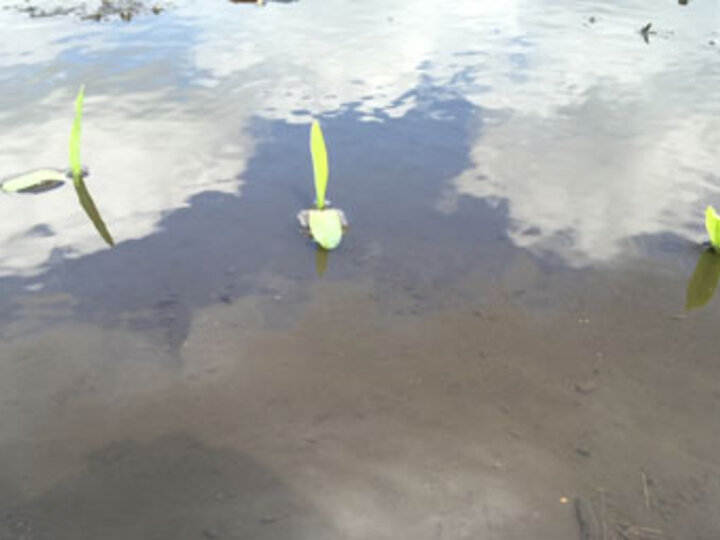
Corn and Soybean Survival in Saturated and Flooded Soils

Corn and Soybean Survival in Saturated and Flooded Soils

Several factors affect corn and soybean survival in flooded soils at early season growth stages. This Nebraska Extension article reviews considerations for growers concerned about impacts to seed germination for these crops.
 Strategies to Minimize Compaction During Wet Spring Conditions

Strategies to Minimize Compaction During Wet Spring Conditions

Insights on how wet field conditions affect compaction and ways to mitigate compaction when field work can't be delayed.
 Nebraska 4Rs Nutrient Stewardship Field Day Set for July 11

Nebraska 4Rs Nutrient Stewardship Field Day Set for July 11

This year's 4Rs Field Day will feature a demonstration on UNL's newly developed web-based N tool, designed to increase efficiency of nitrogen use, as well as ease of record-keeping.
Replanting Corn: Things To Do and Think About

Replanting Corn: Things To Do and Think About

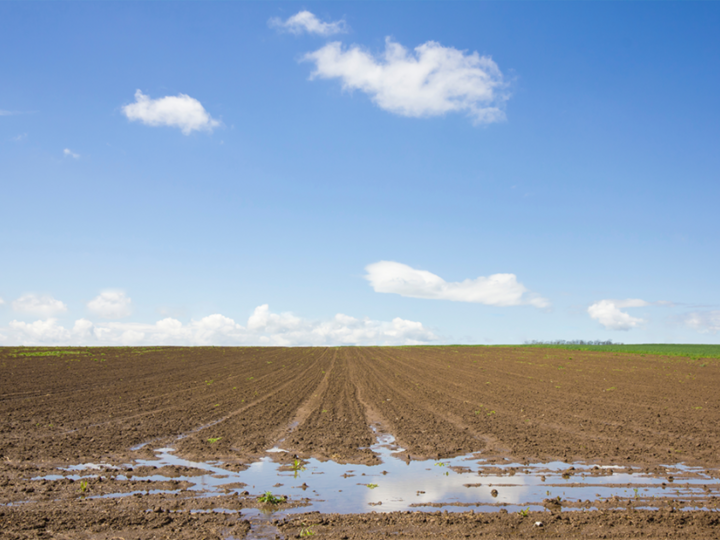
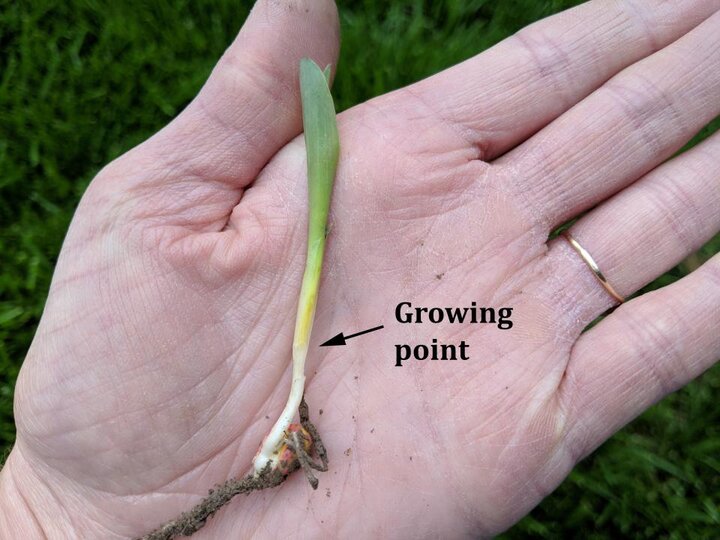
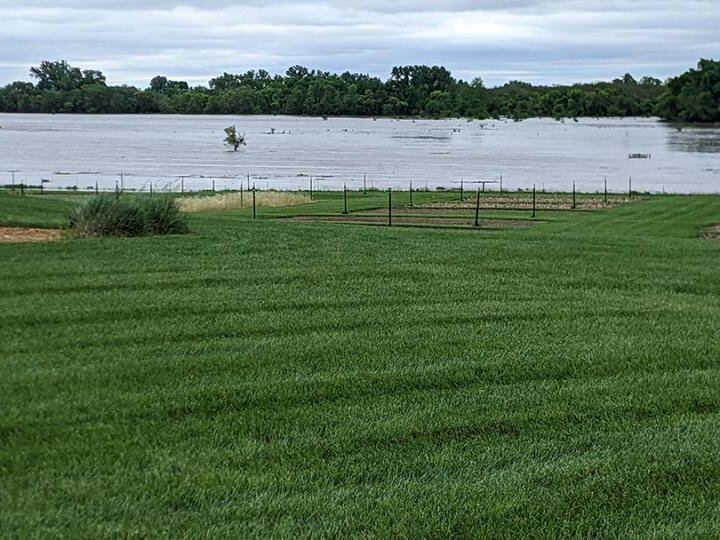
Recent flooding events beginning May 20-21, 2024 in portions of the state have some concerned about the need to replant corn when waters recede. It’s important to assess potential recovery before making replant decisions.
 Q/A: What Impact Does Flooding and Saturated Soils Have on Wheat and Alfalfa?

Q/A: What Impact Does Flooding and Saturated Soils Have on Wheat and Alfalfa?

Extension insights on crop recovery, disease and harvest considerations for flooded wheat and alfalfa fields.
 Nebraska Soil and Water Conservation Society to Host Annual Meeting in Scottsbluff

Nebraska Soil and Water Conservation Society to Host Annual Meeting in Scottsbluff

This year’s theme is “Tech Talks — Tech Walks,” focusing on various technologies, with tours planned at a local organic heritage seed farm and North Platte NRD's geothermal greenhouse.
Storm-damaged Pivot Survey

Storm-damaged Pivot Survey

Through this new survey, producers have the opportunity to assist Nebraska Extension with identifying factors that may contribute to increasing or decreasing storm damage to center pivots.
What is EQIP? And who is eligible?

What is EQIP? And who is eligible?

Part 1 in a series of 3, this article explains the basics of the USDA Natural Resource Conservation Service's Environmental Quality Incentives Program, known as EQIP.
 Soil-Water-Plant Interaction Basics

Soil-Water-Plant Interaction Basics

As irrigation season approaches, producers may find it beneficial to review the basics on how soil, water and plants all work together to grow crops.
When you're ready to apply for EQIP...

When you're ready to apply for EQIP...

Part 3 in a series of 3, this article explains the what you need to know when you want to apply for USDA Natural Resource Conservation Service's Environmental Quality Incentives Program, known as EQIP.
So, you're considering applying for EQIP...

So, you're considering applying for EQIP...

Part 2 in a series of 3, this article explains the what to think about when considering applying for the USDA Natural Resource Conservation Service's Environmental Quality Incentives Program, known as EQIP.

The production of crops is the heart of Nebraska's economy. Water is essential to all plant growth. Thus Nebraska's economy relies on a plentiful supply of water to produce crops – in both rainfed and irrigated environments. Several factors involved with producing crops interact with either water supply or water quality issues – or both.