Nebraska Groundwater Levels Rise Following Wet Year

Nebraska Groundwater Levels Rise Following Wet Year

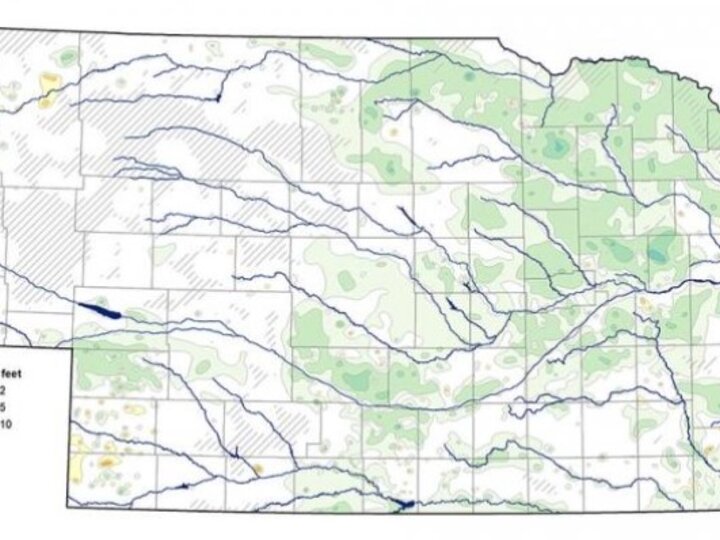
Groundwater levels across much of Nebraska continue to rebound from the historic 2012 drought, according to the 2019 Groundwater-Level Monitoring Report. On average, wells measured in spring 2019 saw a 2.63-foot increase in groundwater levels statewide.
Protect Your Private Well from Stormwater Runoff

Protect Your Private Well from Stormwater Runoff

Warmer weather is here and our precipitation has changed from snow to rain, though snow melt also creates stormwater runoff. The next time it rains, go outside and notice how the rainwater moves from roof areas and gutters, driveways, walkways, and other concrete or asphalt surfaces. Make sure this water is not flowing toward your private drinking water well.
Naturally Occurring Elements in Nebraska’s Groundwater: Part 1 of a Series - Calcium and Magnesium

Naturally Occurring Elements in Nebraska’s Groundwater: Part 1 of a Series - Calcium and Magnesium

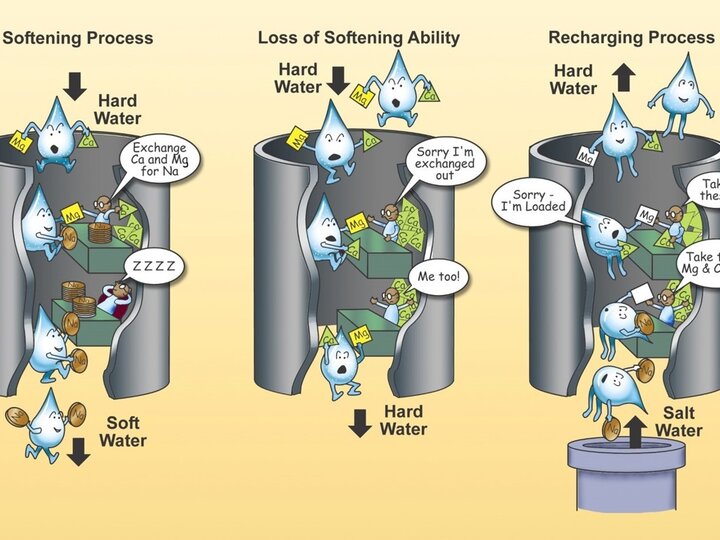
Caption:  A simple overview of how the water softening process works. As hard water enters the water softener, it filters through a resin that is supersaturated with a sodium (Na) brine. The calcium (Ca) and magnesium (Mg) in the hard water attach to the resin beads and are exchanged for sodium (Na), thus making soft water for use throughout the home. Over time, the exchange resin becomes saturated with Ca and Mg and has to be regenerated with the Na brine solution so an effective water softening process can continue. (Graphic by Nebraska Extension)

Naturally Occurring Elements in Groundwater Part 2 of a Series — Iron and Manganese

There are naturally occurring elements and minerals within Nebraska’s geology, and with that, it is not uncommon to find them in Nebraska’s groundwater. Calcium, magnesium, iron, manganese, fluoride, arsenic, and uranium are among the elements found in Nebraska. This month, the spotlight series continues with iron and manganese. Iron & Manganese
Naturally Occurring Elements in Groundwater - Part 3 of a Series - Fluoride

There are naturally occurring elements and minerals within Nebraska geology, and with that, it is not uncommon to find them in Nebraska’s groundwater. This month, the spotlight series continues with fluoride.
Naturally Occurring Elements in Groundwater Last in a Series - Uranium

Naturally Occurring Elements in Groundwater Last in a Series - Uranium

There are naturally occurring elements and minerals within Nebraska geology, and with that, it is not uncommon to find them in Nebraska’s groundwater. The final installment of the Spotlight Series is Uranium. Uranium
Become a Groundwater Steward

Become a Groundwater Steward

National Groundwater Awareness Week is March 6–12, making it the perfect time to talk about groundwater in Nebraska! What exactly is groundwater? It is the water below the earth’s surface that fills the interconnected voids and cracks in and around soil particles, sand, gravel and rock. Groundwater is the most abundant supply of freshwater in the world and is the water source that private drinking water, irrigation, livestock and many public water supply wells draw from.
It’s Time for Private Well Maintenance

It’s Time for Private Well Maintenance

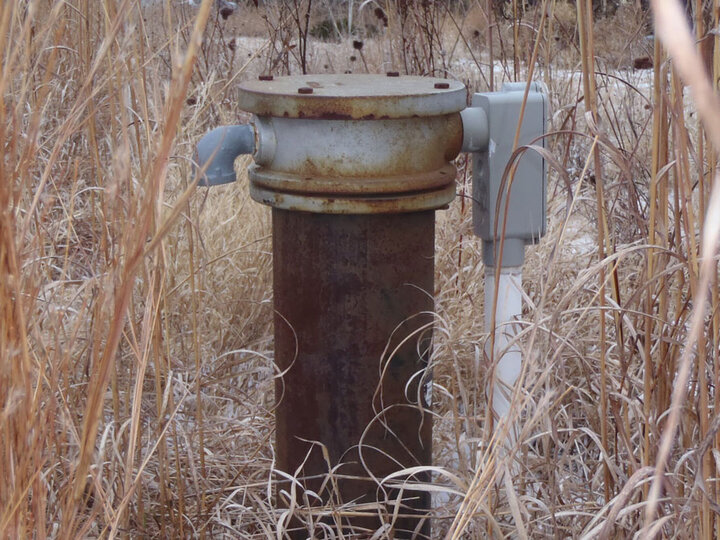
Photo credit: Jan Hygnstrom
What's the Deal with Smelly Well Water?

What's the Deal with Smelly Well Water?

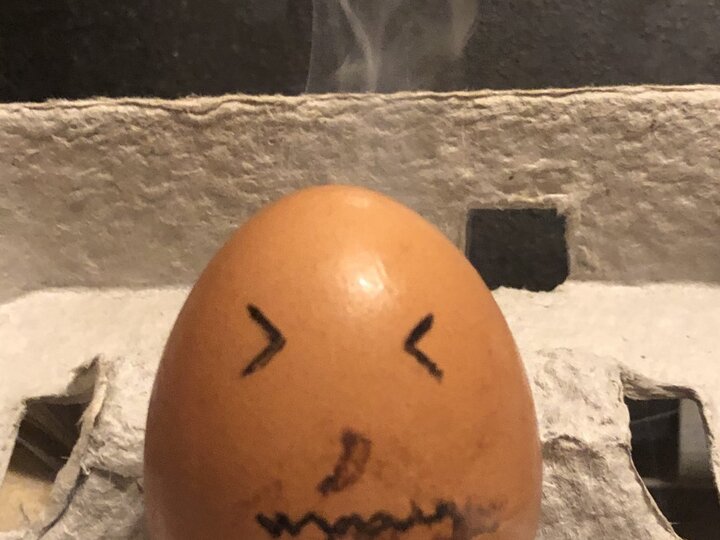
Photo Credit: Becky Schuerman Odors that are comparable to that of rotten eggs are not ideal in your home or coming from your drinking water faucet. Sulfate, which is a combination of sulfur and oxygen, are naturally occurring minerals. They are found in some soil and rock formations where groundwater is stored. Bacteria that feed on sulfur can produce hydrogen sulfide gas which is the primary offender when it comes to odor. 
Reverse Osmosis In-Service: Treating high nitrate concentrations in private wells

Reverse Osmosis In-Service: Treating high nitrate concentrations in private wells

In 2023, the Nebraska Legislature passed LB1014.  This bill took 4 million dollars from the American Rescue Plan Act and allocated it to treating nitrate issues in Nebraska.  1.2 million dollars of that has been dedicated to a Reverse Osmosis Rebate Program that is directed at private well owners. The general idea of the program is that any individual private drinking water well owner can test their water AND if the nitrate concentration comes back above 10 ppm, they might be eligible for UP TO $4,000 support to get a reverse osmosis system to treat their nitrate.