Lawn and Landscape Irrigation

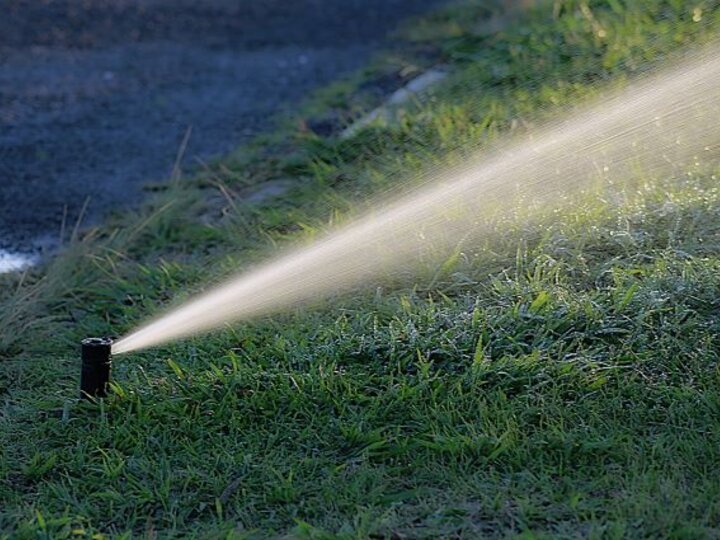
Lawns and landscapes can be designed and maintained to be water conserving, prevent runoff of fertilizers and pesticides and good looking. To develop a landscape that is water efficient, build the landscape with good landscape soils, create water zones within your landscape, choose well-adapted water saving ornamentals and turfgrasses, and utilize the correct irrigation equipment for your landscape. Read on for more information to help you design and manage your landscape for water efficiency.
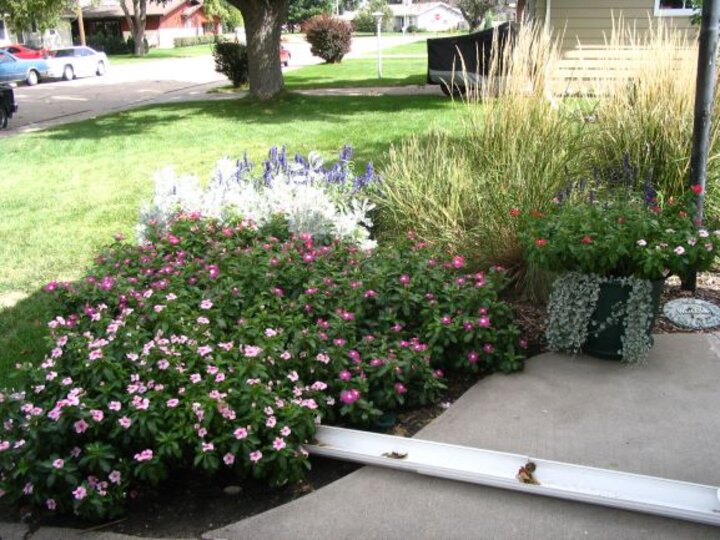
Slow it Down, Soak it in: Conserving Rainwater with Downspout Disconnection

When it rains in July and August, we are almost always thankful for the moisture. And yet this valuable resource is often directed off of properties and out of town as quickly as possible via downspouts and storm drains. Stormwater runoff is rainwater that does not soak into the ground. It flows from rooftops, streets, parking lots, sidewalks, driveways, bare soil, sloped lawns, and other areas.

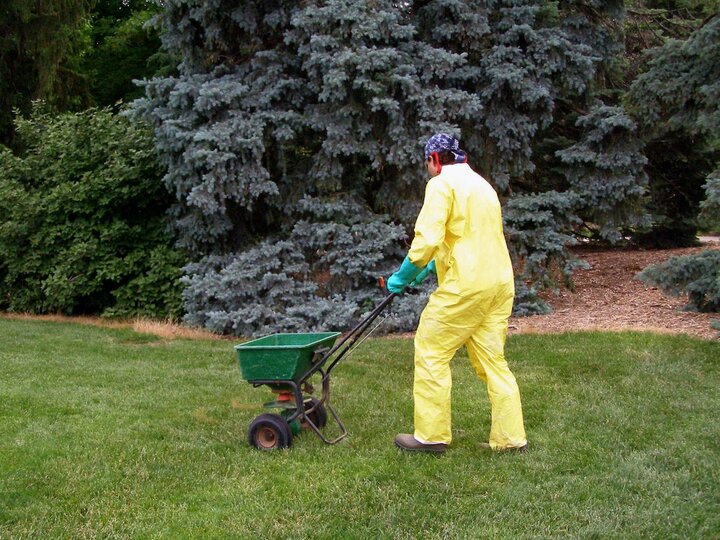
Using Pesticides Correctly

We are getting closer to fall which is a great time to work on improving your lawn. Late September and early October are great for spraying lawn weeds. When dealing with pests in your lawn, be sure to use pesticides correctly for the best success and for the least amount of damage to the environment. Photo from the UNL Pesticide Safety Education Department Pesticides

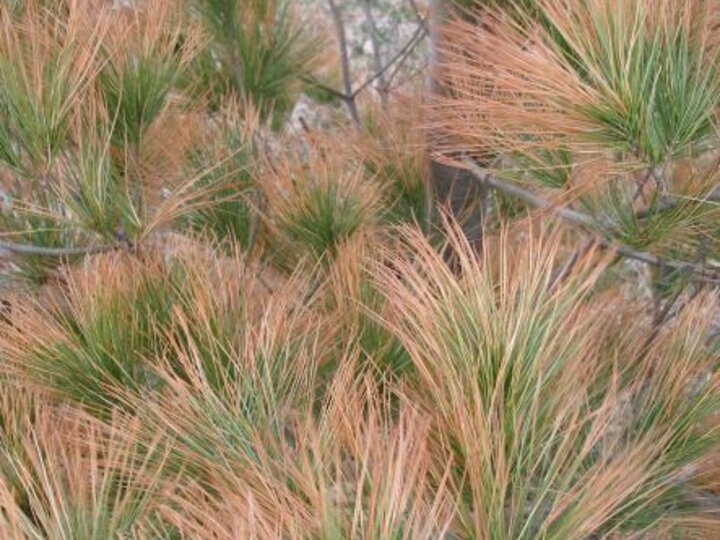
Anti-Transpirants Help Prevent Winter Drying Damage

In spring 2021, many gardeners and landscape managers in eastern Nebraska had severe plant damage to boxwood shrubs. In many cases, entire plants were dead. In others, all branches above the protecting snow line were brown, dried and dead. Although boxwood was not the only type of plant showing damage in spring 2021, why was the damage so widespread on this species?

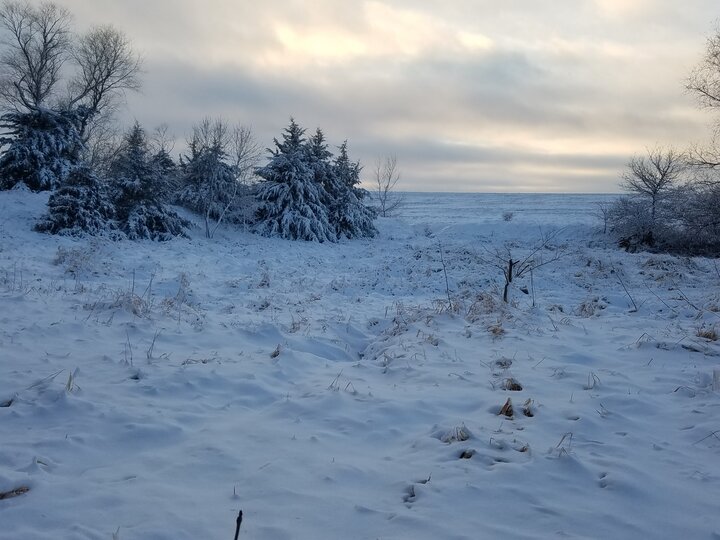
Winter Plant Care

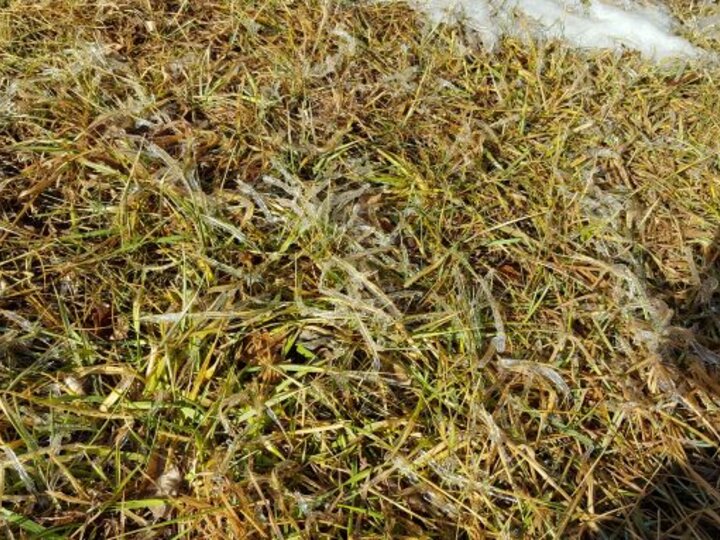
It’s definitely getting colder outside. Winter isn’t officially here yet, but it is on its way. This is the time of the year where we give up on plants, but there are some things to consider prior to winter to ensure their survival. Winter Care of Turf

Winter Watering

It’s hard to think about our plants in the winter months. It is even harder to realize that they are still alive and sometimes need care in the winter months. Once plants go dormant for the year many people believe that they need nothing until spring, but that isn’t always the case, especially in years with low or no snow or rain throughout the winter months.

Landscape Irrigation

Currently most of southeast Nebraska is in the ‘Moderate Drought’ level on the drought monitor. As we move into the spring and summer we could see the drought continue and irrigation will be critical.

Irrigation Audits Helpful

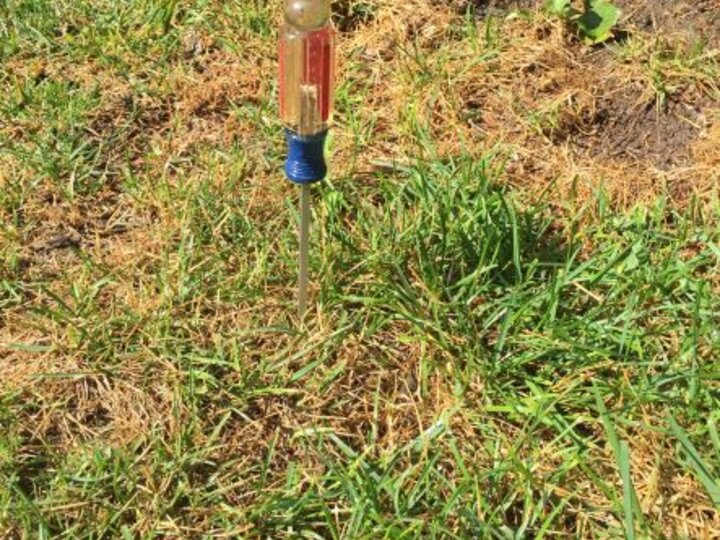
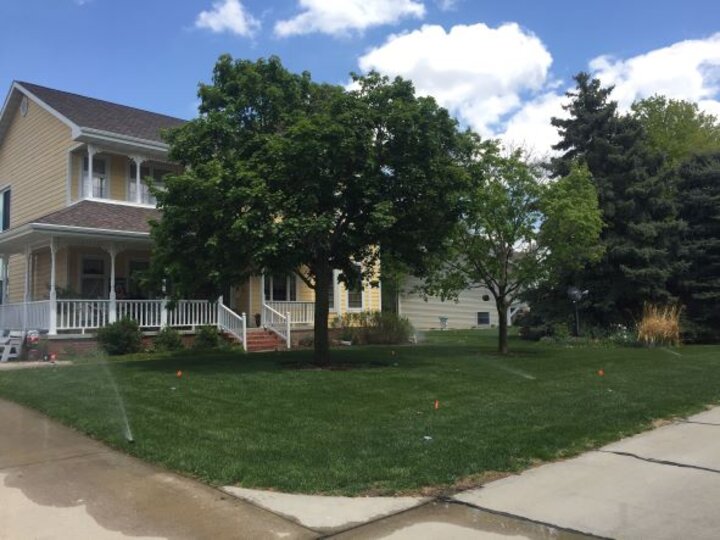
Lawns need about one inch of water per week. During the hottest part of summer, they may need one and a half inches. Do you know how much water your irrigation system applies? Lawns require uniform watering so one area is not under watered while another is overwatered. Do you know if your system waters uniformly? Lawns are best watered deeply but infrequently. Do you know what this means and if you’re watering program meets this recommendation?

Gaps and Overlaps in Lawn Irrigation

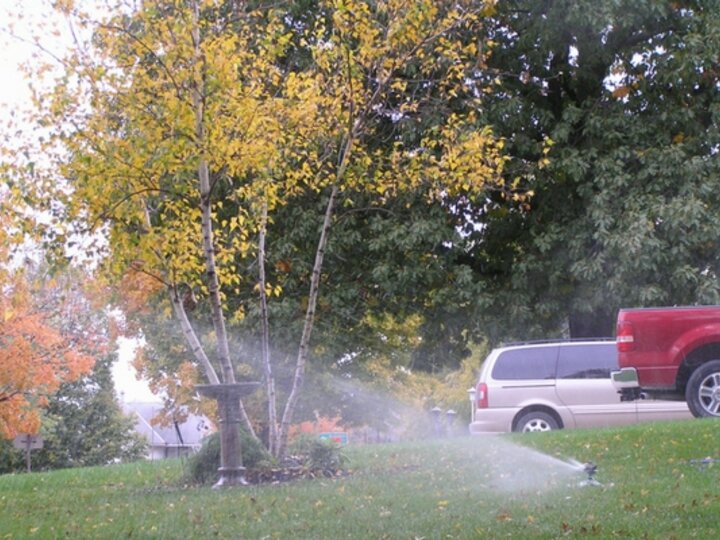
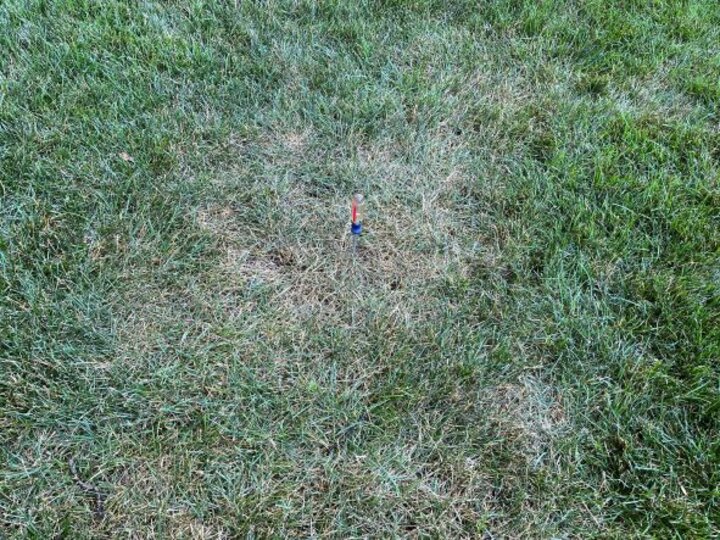
All lawn sprinkler systems, whether they are in-ground or above ground, have flaws.  Some of the biggest are gaps and overlaps. Actually, a well designed irrigation system, or the use of above ground spray heads utilizes overlaps in the form of “head-to-head coverage”.  This involves water from one head spraying all the way to the adjacent head and vice versa.  Since twice as much water is applied near the head as is at the end of the water stream, an even amount is applied if the system has good head-to-head coverage.

Drought and Fall Irrigation

Currently, most of the state is in at least a moderate drought, with many areas affected by severe, extreme, and even exceptional drought conditions. The Farmer’s almanac is calling for a cold, dry winter, again, so moving into that with drought conditions already could be devastating to our plants.

Avoid Traffic on Frozen Turf

As I walk around my yard with my dog, I wonder about the impacts it has on my turf for the spring. Walking on frozen turf can have detrimental effects. During the spring and summer, we can walk on our lawns and turf fields with no damage. During the growing season, turf plants can recover from traffic through active regrowth. However, during the winter the turf is dormant and cannot recover from the damage until the spring.

Beneficial Fungi and Tree Health

Tree health is often a reflection root health. Good practices to improve root health include properly applied organic mulch, good water management to avoid overwatering but providing water as needed during dry periods, and avoiding root damage from construction or changes in soil grade. The Image shows thin white fungal mycorrhizae on the roots of a slash pine by Paul A. Mistretta, USDAForest Service, Bugwood.org

Separate Plants by Irrigation Needs

When we plant a garden or flower bed, we think about sunlight preferences, color and bloom times most often, but there are other factors to think about including water requirements for the plants. All plants need water to survive, but they differ greatly in how much they need. Some plants are best planted along a pond edge or other very wet location because they like swampy, over irrigated locations. Where other plants require dry, well-drained soil. There are even some great plants used in rain gardens and similar areas that actually do well in both wet locations as well as dry conditions to overcome the changing environment when water collects during rain events and dries out between rains.

Lawns and landscapes can be designed and maintained to be water conserving, prevent runoff of fertilizers and pesticides and good looking. To develop a landscape that is water efficient, build the landscape with good landscape soils, create water zones within your landscape, choose well-adapted water saving ornamentals and turfgrasses, and utilize the correct irrigation equipment for your landscape. Read on for more information to help you design and manage your landscape for water efficiency.