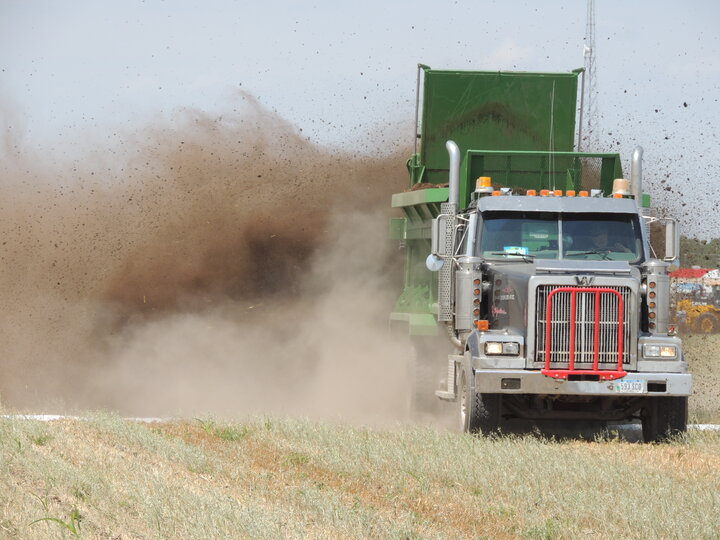
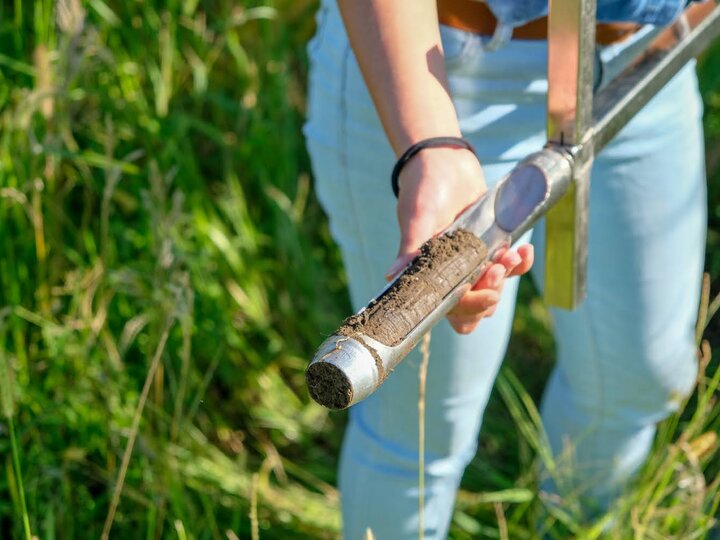
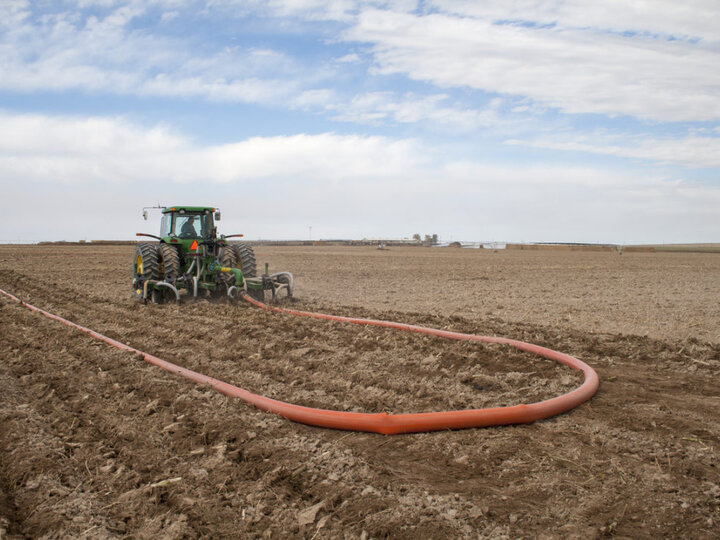
It’s that time of year again and I’m here to help you stay on track for that New Year’s resolution to “Manure Better”. That wasn’t your resolution? I’m sorry, but it would be a great resolution and an achievable one at that, so add it to your list. My New Year’s resolution is to help crop farmers “Manure Better”. The annual land application (manure) training events are coming up soon and may be just the ticket to “help me, help you”.
An often asked question is, "how much manure do I need?". The answer is not as simple as the question. It depends on the crop you are growing and the expected yield, existing soil nutrients, knowing your goals, the type of manure you wish to use, and any other fertilizer nutrients you expect to apply.
Part 1 in a series of 3, this article explains the basics of the USDA Natural Resource Conservation Service's Environmental Quality Incentives Program, known as EQIP.
Part 2 in a series of 3, this article explains the what to think about when considering applying for the USDA Natural Resource Conservation Service's Environmental Quality Incentives Program, known as EQIP.
Part 3 in a series of 3, this article explains the what you need to know when you want to apply for USDA Natural Resource Conservation Service's Environmental Quality Incentives Program, known as EQIP.
Nebraska Extension will host a Nitrogen Sources and Water Quality Field Day on August 13, 2024, from 9:30 a.m. to 2:30 p.m., at the Haskell Ag Lab near Concord, NE.
As the harvest season winds down and cooler temperatures set in, it's time to start thinking about post-harvest plans. For many farmers, this means planning manure application. Manure is a valuable fertilizer and soil amendment, but to maximize its benefits, it should be treated with the same attention as commercial fertilizers. However, some farmers overlook manure in their fertility programs, missing out on its potential.
A manure workshop will be held in conjunction with the Confronting Cropping Challenges programs at two locations, Randolph and Neligh. The manure workshop will help row-crop farmers Save Money and Resist Stress, and it is designed for crop producers using manure on their cropland. You do not need to own your own livestock to attend. Participants can choose to attend either the Confronting Cropping Challenges program, the manure workshop, or both.