Well & Septic Owner’s Checklist
Well & Septic Owner’s Checklist
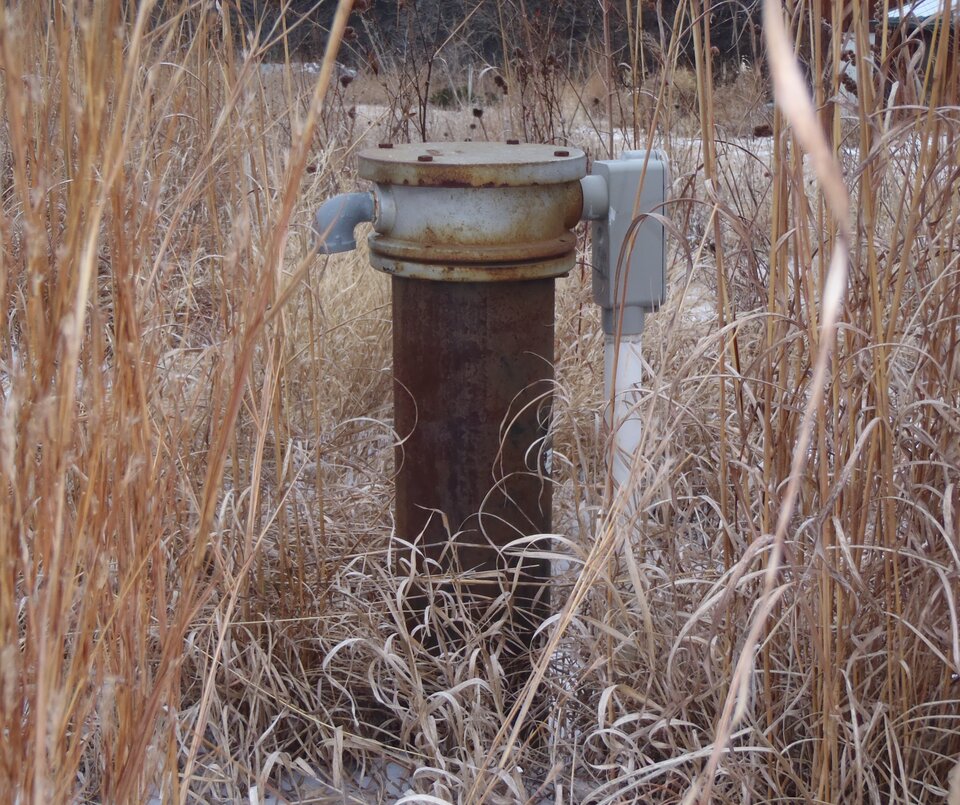
💧Inspect your wellhead and area around it in the spring and fall. Perform maintenance as necessary:
- Make sure secure cap, vent, an electrical conduit are undamaged and secured.
- Keep sources of contamination away from it.
- Make sure your wellhead is at least 12” above grade and the ground around it is sloped away with no depressions where water can sit stagnant.
- Keep tree plantings away from your well and water line locations.
- Check all hydrants, faucets, and water pipes to make sure none are leaking, or busted from freezing up over the winter.
- Properly fix/replace, and if necessary, winterize in the fall.
💧At the same time, inspect your onsite septic system. The same rules apply for Lateral and Mound Systems:
- Vehicles and other heavy objects kept from drainfield and septic tank.
- Animal confinement areas not located over drainfield and septic tank.
- No sidewalks, drives, patios located over drainfield and septic tank.
- No buildings located over drainfield and septic tank.
- Perennial grass cover maintained; no trees or bushes should be planted over or near a drainfield.
💧If a lagoon system:
- Keep fence around the lagoon intact and maintained.
- Maintain a 2 feet minimum operating depth of wastewater at all times.
- Keep grass on berm mowed and no trees should grow on the berm or in the lagoon.
- Keep aquatic vegetation in lagoon managed to allow good airflow and sunlight to reach the water surface.
💧Inspect water treatment systems making sure they are not leaking and operating properly.
💧Review recommended maintenance procedures and filter/media replacement for water equipment according to the manufacturer’s specifications. This includes water softeners, filtration systems, and water heaters. Water heaters should be drained/flushed annually.
💧Test for Nitrate & Coliform bacteria annually – best in spring.
💧Be aware of other possible contaminants of concern in your area. Your local NRD, health department, or nearby community water supply can be great sources for this information.
💧If in doubt about issues, contact your licensed water well contractor or certified onsite wastewater professional to make the necessary repairs.
Compliments of University of Nebraska Extension's Domestic Water/Wastewater Management Program
Becky Schuerman / 402-441-7180 / bschuerman3@unl.edu
Rev. 02/2026
This article was reviewed by Bruce Dvorak