Fall and winter gatherings are upon us and that often means a bustling house full of family, friends and preparation of tasty recipes in the kitchen. All of these things should make for joyful times, but they can potentially have a stressful impact on your private water well and onsite wastewater systems. This time of year also has a greater impact on municipal systems as well, so following the best daily practices below is a good idea for municipal customers, too.
It is hard to believe that it is already fall! This means it is time for a fall inspection of your well, water treatment, and onsite septic systems and performing necessary maintenance when necessary. If you haven’t completed your annual water quality testing yet, order a test kit to collect your water samples for nitrate, total coliform, and any other contaminants of concern in your area. Taking the time to follow the Well & Septic Owner’s Checklist helps protect the health of your family and our groundwater resources.
One of the most common wastewater questions during the summer months, and definitely during times of drought is about the water level in lagoons. Many say the water level stays at only about 2 feet or even less and ask if that’s a problem, and if so, how do they keep the water level higher?
Nebraska Extension is urging residents who rely on private wells for their drinking water to take immediate action to test their drinking water and treat any identified risks. Annual testing and recommended treatment is the only reliable way to ensure water safety and protect household health.
Often, we do not think of snow and ice as potential stormwater runoff, but they definitely are. With increasing warm spells throughout the winter causing multiple freeze-thaw cycles where the snow and ice begin to melt and shrink, winter precipitation acts as rain does, picking up and transporting contaminants from sidewalks, driveways, rooftops, roads, parking lots and agricultural fields. Ice melt salt, pet/animal waste, fertilizers, vehicle exhaust/oils/ fluids and litter are some of the common contaminants picked up as ice and snow melt away.
Often, we do not think of snow and ice as potential stormwater runoff, but they definitely are. With increasing warm spells throughout the winter causing multiple freeze-thaw cycles where the snow and ice begin to melt and shrink, winter precipitation acts as rain does, picking up and transporting contaminants from sidewalks, driveways, rooftops, roads, parking lots, and agricultural fields. Ice melt salt, pet/animal waste, fertilizers, vehicle exhaust/oils/fluids, and litter are some of the common contaminants picked up as ice and snow melt away.
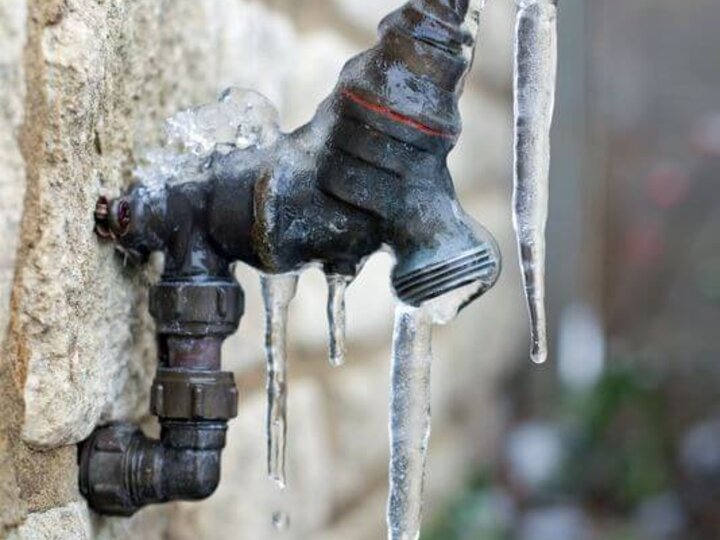
Winter is on its way which means it is time to assess and insulate the pipes in your home’s crawl spaces and attic. Both plastic and copper pipes can freeze, and frozen water pipes affect folks who live in both cold and warmer climates. By conducting routine preventative maintenance, one can greatly reduce the risk of potentially expensive damage that frozen water pipes can cause.
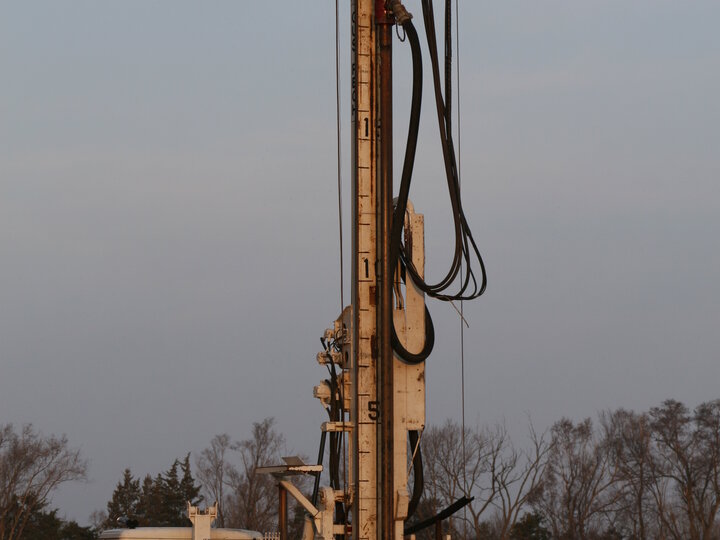
Those residences that are not served by a public water or rural water system need a source of water for both consumption and daily needs. A private well most often fulfills these needs. While the cost of drilling a well is a lesser expense in the overall purchase or building of a home, it is a necessary expense to provide the residence with a useable water supply and it adds value to the property.
With SepticSmart Week 2025 coming up the week of September 15-19, there is no time like the present to have a “Flushing 101” review. Whether you live in a rural area and have your own personal onsite wastewater system or your house is connected to a municipal wastewater system, everyone needs to be conscious of what we flush down the toilet. Regardless of what type of wastewater system your home is hooked up to, minimizing solids in our wastewater will improve the overall system performance.
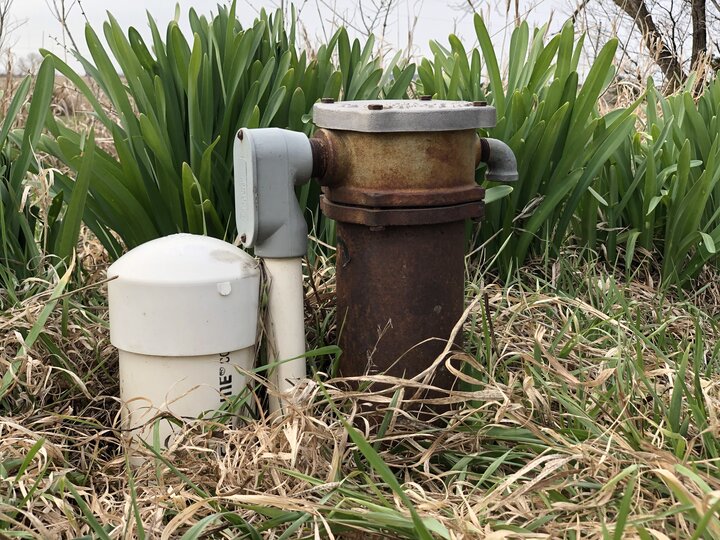
Mid-late spring or early summer is the prime time to conduct a private well maintenance check. Winter can be especially hard on outdoor systems; surfaces and landscaping that are subject to the elements. Getting in the habit of inspecting and maintaining your well system in the spring and the fall is a good habit to get into. It will help ensure everything operates efficiently and can potentially save you from shelling out money for costly repairs.