Build Confidence in Manure Management at North American Manure Expo Educational Sessions
Educational sessions at the North American Manure Expo on July 29-30 at the Wayne County Fairgrounds will focus on practical, research-backed information for manure applicators, livestock and crop producers, crop advisers, and ag professionals. Topics include sampling, soil health, precision application, edge-of-field practices, plastics, safety, and emerging innovations like sensing crops to determine additional nutrient needs and anaerobic digestion.
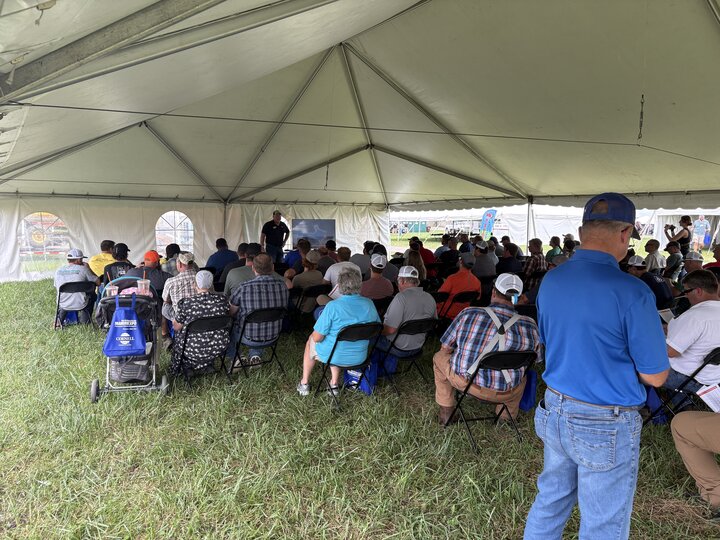
Photo credit: Kevin Erb, University of Wisconsin-Madison
Whether you’re fine-tuning a manure management plan, looking for tools to improve application accuracy, or exploring what’s next in circular nutrient systems, these sessions are designed to deliver ideas you can use right away. Expect clear takeaways, real-world examples, and time to ask questions.
What you can expect take back to the farm (or field)
- Best-practice sampling steps to get representative results
- How real-time sensing can support more precise nutrient management
- Strategies to improve nitrogen use efficiency and reduce nutrient losses
- Practical considerations for plastics in ag systems including risks, alternatives, and design needs
- Tools to address common challenges, including weed seed spread through manure
Featured sessions
Manure Sampling Techniques & Tips
This session will cover the who, what, when, where, and why of manure sampling to give you confidence in getting a representative sample. Having current manure samples collected with best practices will aid in creating a manure management plan tailored to your farming operation. Learn how to compare your manure results to thousands in ManureDB, the manure database.
Careers in Manure (Panel)
How does one “fall into” a career in manure? Curious about what kinds of jobs are included in the manure field? Hear from a panel of professionals which includes marketing and media management, agronomy and consulting, education, and application. Panelists will discuss how they came into their jobs, why they stay, and how you, your friends, or your family can capitalize on the various career opportunities in the field of manure management.
Innovations in Manure Management
This session highlights innovations in manure management, focusing on anaerobic digestion within a circular bioeconomy. It covers digester systems, U.S. adoption trends, and community models, along with opportunities for advanced processing to improve nutrient recovery and create value-added products.
From Barn to Field: Plastic Pathways (Panel)
Use of plastics in agriculture contributes to soil contamination, microplastic pollution, and reduced long-term soil health. Single-use plastics like mulch films, bale wrap, and silage bags and covers can degrade into contaminants that can alter soil pH, disrupt microbial communities, and hinder plant growth. Additionally, plastic residues can leach hazardous chemicals which could end up in the food chain. The panel will address the concerns with plastics use in agricultural settings, alternatives to traditional plastics, recycling of agricultural plastics, and equipment design to deal with agricultural plastics.
Manure Variability: Using Manure Sensing to Improve Nutrient Management
This session explores real-time manure sensing technologies to improve nutrient management. Participants will learn how manure variability affects application accuracy and how tools like NIRS provide instant nutrient analysis. Practical setup, applications, and research on optimizing nitrogen and phosphorus management will be covered.
Maximizing Manure Nitrogen Efficiency: The Role of Nitrogen Inhibitors
This session covers using nitrogen inhibitors with manure to improve nitrogen use efficiency and reduce losses. Topics include inhibitor types, effectiveness under different conditions, and impacts on volatilization, leaching, yield, and profitability, with practical guidance from field research.
Weed Seeds in Manure
With livestock and crop production, weed seeds inevitably end up in feed and then in manure. Though manure is a great nutrient source for crops, the risk of spreading weeds is a serious consideration for crop farmers due to the potential for economic damage. We'll discuss where weed seeds come from and how to minimize them taking root.
Filling the Soil Health Gap with Manure
This session explores how manure can play a central role in rebuilding soil health and closing critical gaps in modern cropping systems. Participants will gain a deeper understanding of how manure contributes to key soil health components, including soil organic matter, biological activity, and nutrient cycling.
But wait, there’s more
These are just a few of the educational sessions that you’ll find at the North American Manure Expo. Discover more about the other HALF of the sessions at manureexpo.com/#schedule and get registered today.
This article was reviewed by Bethany Johnston and Michelle Bertholet