While fields are drying is a good time to check if any of your routes to the field have new erosion, damage, or debris that needs addressed before moving heavy equipment out. Read this quick checklist to make sure you have a safe path to harvest.
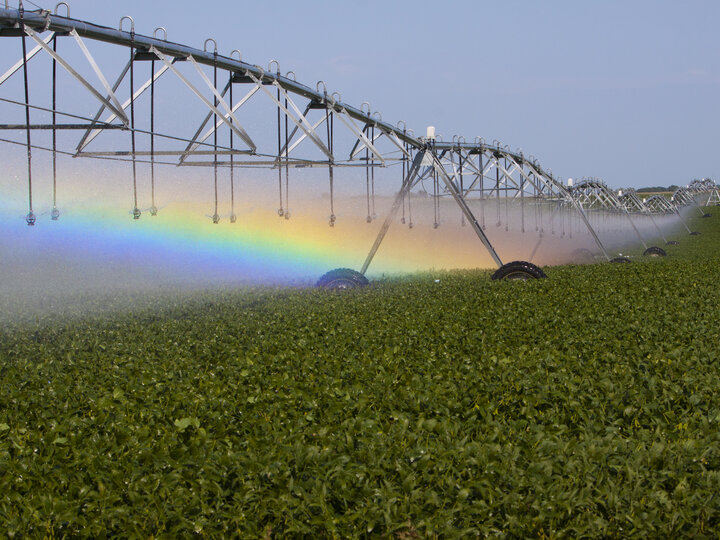
Did you know each inch of irrigation water per acre weighs over 113 tons! It takes lot of energy to move all that water around. Explore the costs of that energy in the linked article.
Nebraska Extension is urging residents who rely on private wells for their drinking water to take immediate action to test their drinking water and treat any identified risks. Annual testing and recommended treatment is the only reliable way to ensure water safety and protect household health.
Nebraska farmers and agriculture advisors joined a new education series designed to improve irrigation farming operations through efficiency, increased profitability, and strengthening long‑term water stewardship. The Nebraska Master Irrigator program brings together producers, agricultural advisors, and industry partners to support data‑driven decision-making that reduces groundwater pumping and nitrate losses while positioning farms to have a competitive edge.
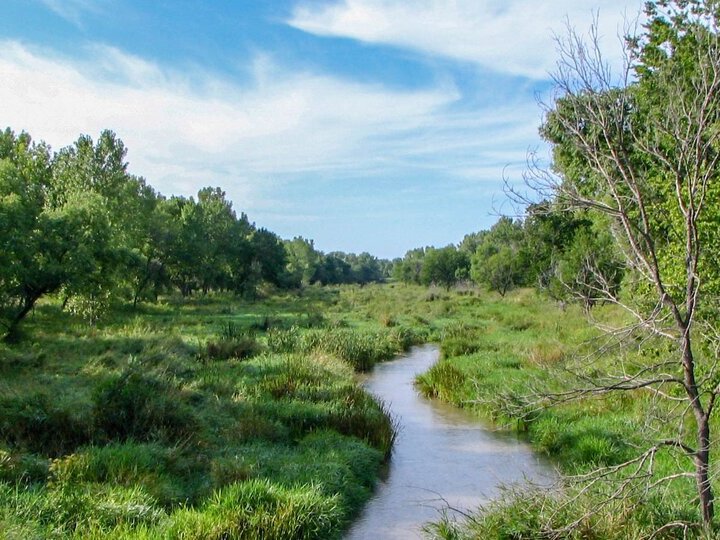
Join the Nebraska Water Center and Central Nebraska Public Power and Irrigation District as we experience the Republican Basin. We’ll go behind the scenes and meet the experts to get a first-hand look at water and natural resources in southwestern Nebraska.
Concord, Nebraska – March 25, 2026 – Join the Haskell Ag Lab and Nebraska Extension for Nitrate and Beyond: Ensuring your family has safe water on April 30, 2026, from 5:30 to 7pm.
Whether you rely on city water or draw from a private well, understanding how to test and treat drinking water for contaminants is essential for protecting your family’s well‑being. Join us for a community‑focused lecture that breaks down the hidden risks—like bacteria, nitrates, and other pollutants—and shows how proper testing and treatment can keep every household safe.
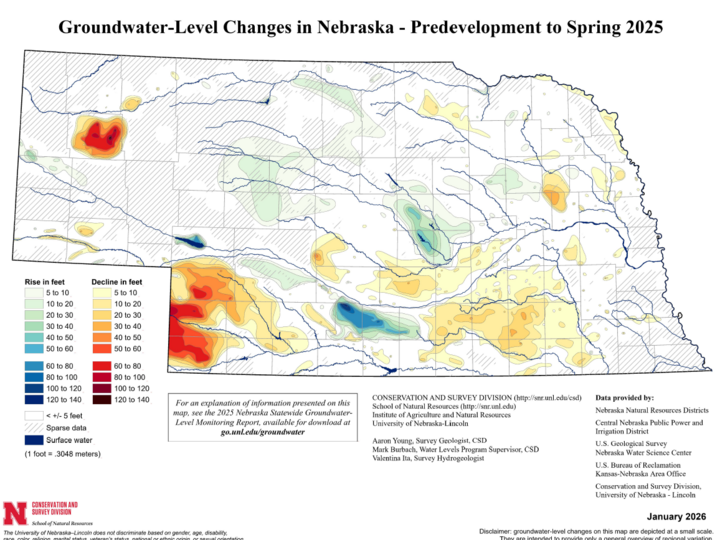
The 2026 Nebraska Groundwater-Level Report highlights declines across 62% of wells over the last year due to the ongoing drought. Pockets of improving conditions from better rainfall also appear. UNL CSD, led by Aaron Young, compiles annual groundwater-level data from 5,000 wells into detailed maps. Read more to find out your local conditions.