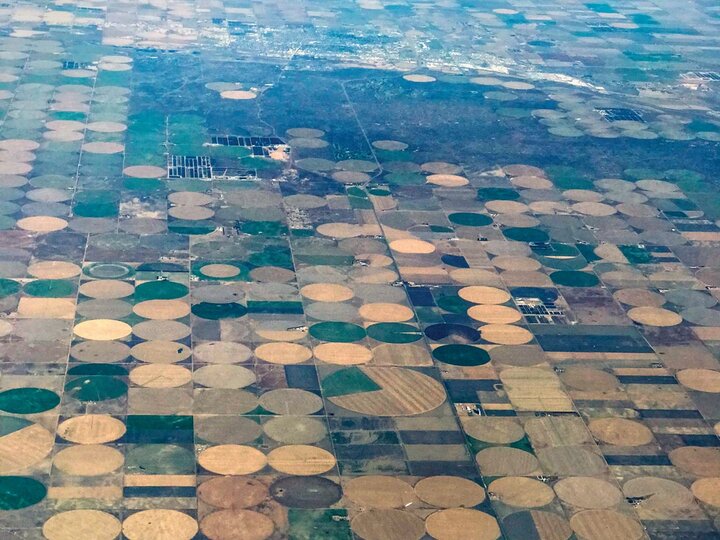
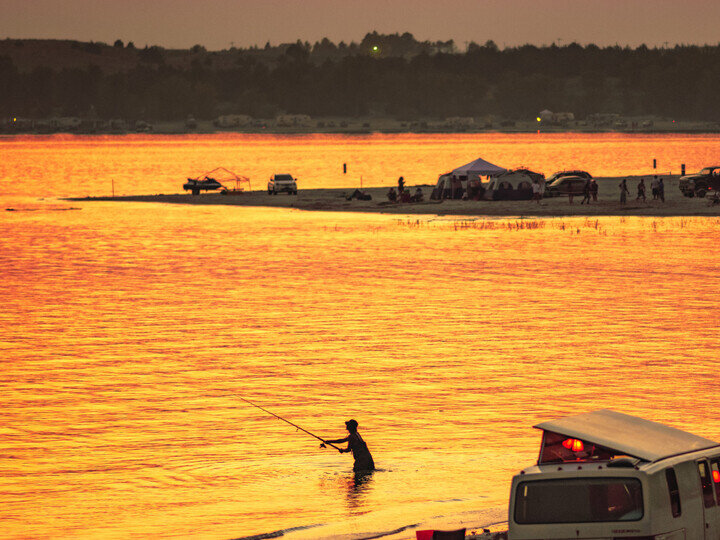
From increased water bills to closed lakes to tainted drinking water, high nitrate levels are affecting thousands of Nebraskans. Nitrate can’t be seen or smelled, but it is in Nebraska’s groundwater, which is the source of drinking water for much of the state. Nitrate also contaminates surface water such as streams and lakes.
2022 Water Seminar series will highlight the significance that water holds in and around Nebraska and its ability to bring people from all walks of life together. The series is organized by The Nebraska Water Center, in partnership with the University of Nebraska–Lincoln’s School of Natural Resources.
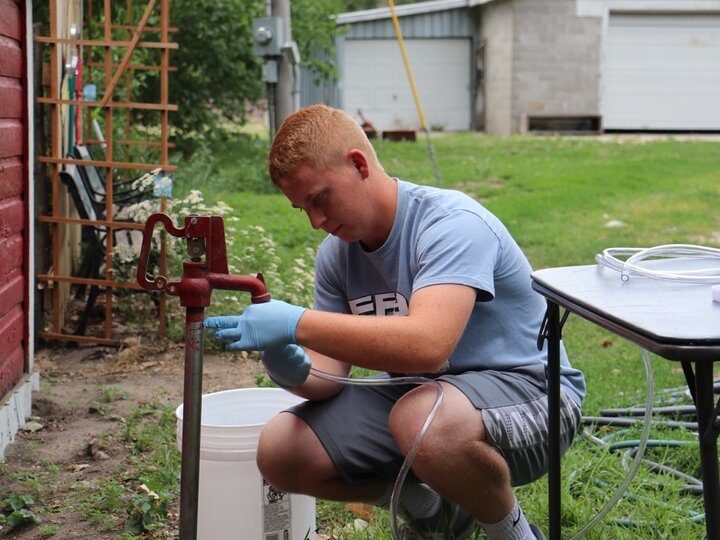
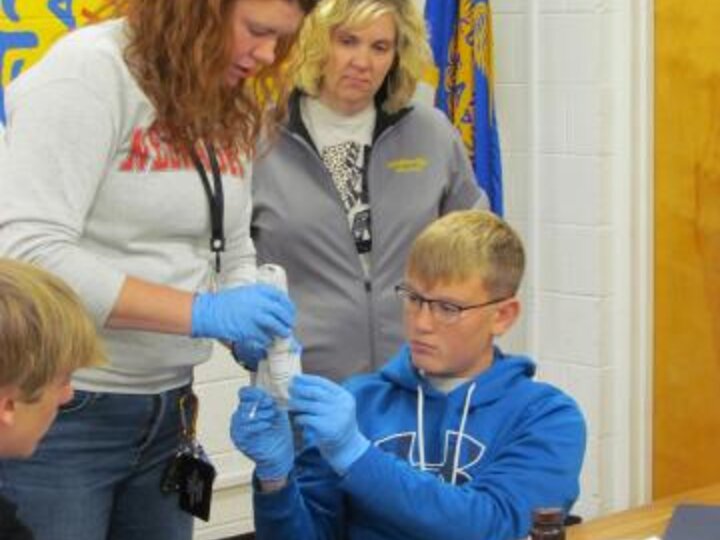
Know Your Well project has been teaching high school students about sampling drinking water since 2017. Read these students' stories and the ongoing impact of this program.
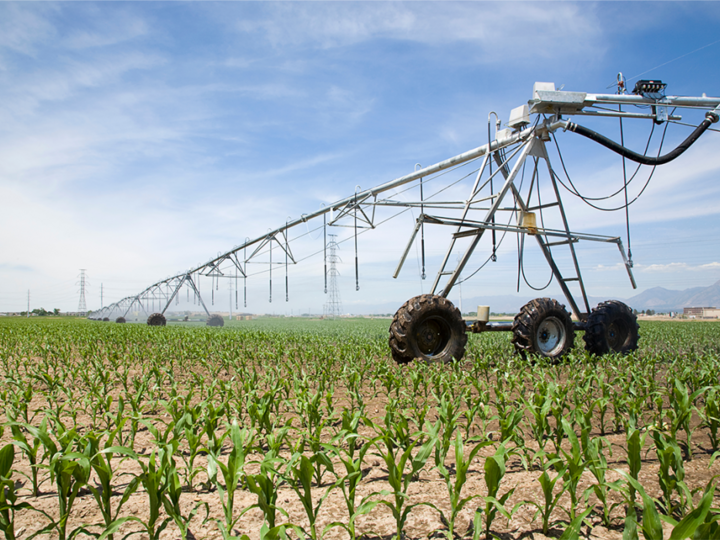
A new study by University of Nebraska's DWFI and NDMC measured the economic impact of the irrigation industry in the United States and found that it has been growing by 2% per year since 2010 with a direct economic impact of nearly $9 billion and indirect impacts of $23.3 billion.
Join over 800 Nebraskans who are already exploring our water! This FREE Water Quality Testing program for plant nutrients (nitrate, nitrite, phosphate) is seeking volunteers to join the fourth year of testing surface and groundwater in Nebraska.
Learn more and sign up by visiting go.unl.edu/wqcs
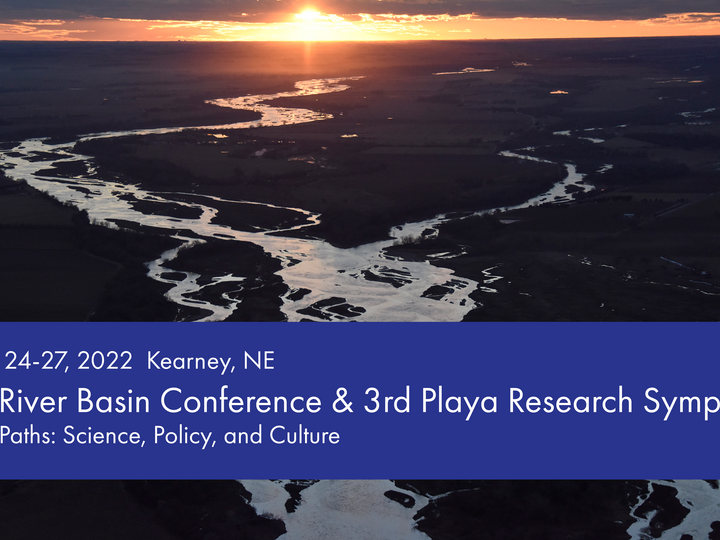
The 2022 Platte River Basin Conference and 3rd Playa Research Symposium will be held Monday, October 24th to Thursday, October 27th at the Younes Conference Center in Kearney, Nebraska. Join leaders from Nebraska, Colorado, Wyoming, and beyond to discuss the interrelated perspectives needed to create vibrant, resilient solutions for the future of the people and wildlife who depend on the Platte River Basin.
Conference topics include:
Extension recommendations for calculating the amount of nitrate-nitrogen in irrigation water and optimal timing of applications to reduce the cost of nitrogen inputs in irrigated corn.
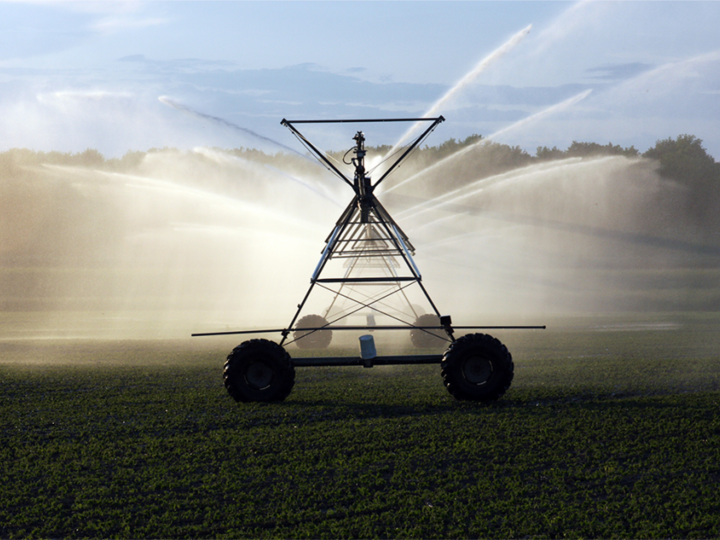
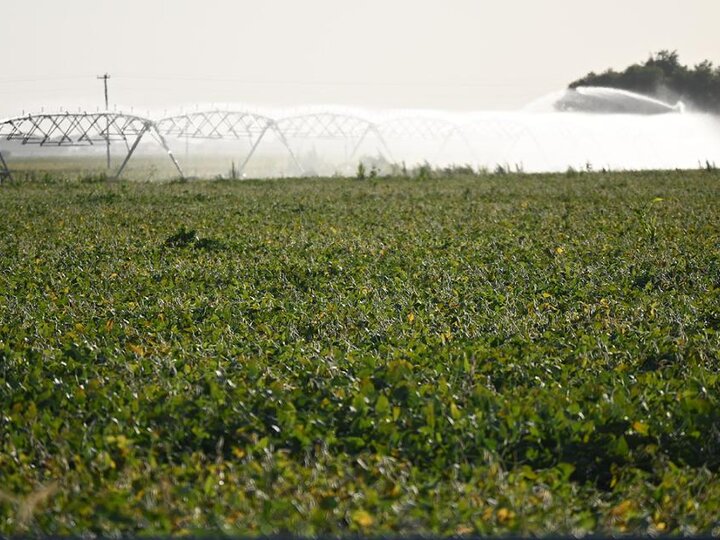
In a dry spring like 2025, early irrigation may be needed — but applying too much water too soon risks losing nitrogen and rainfall storage. Learn how soil moisture monitoring and timing can protect yields and inputs.
Access to quality water is critical. Testing can indicate whether water is safe for people to consume. Know Your Well is a program used to test well water across Nebraska at no cost to the community, while teaching local high school students valuable skills.
In the past seven years, Know Your Well has been implemented in more than 28 school districts throughout the state. The program has received funding to grow to 50 or more schools over the next few years and expand its curriculm.
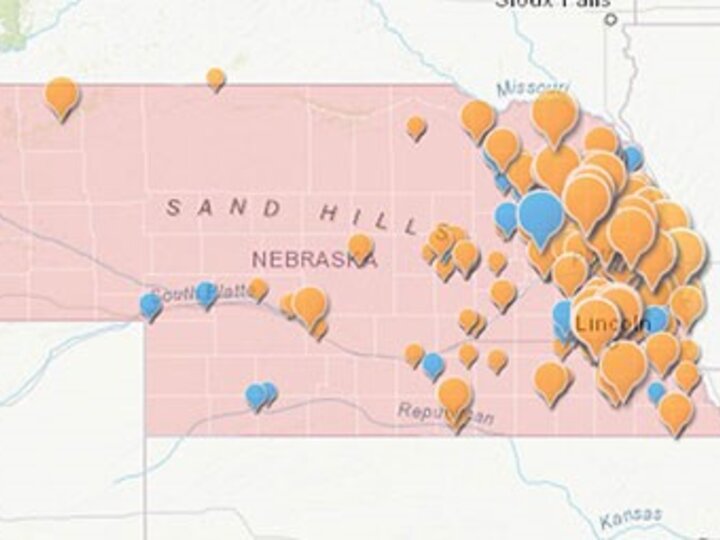
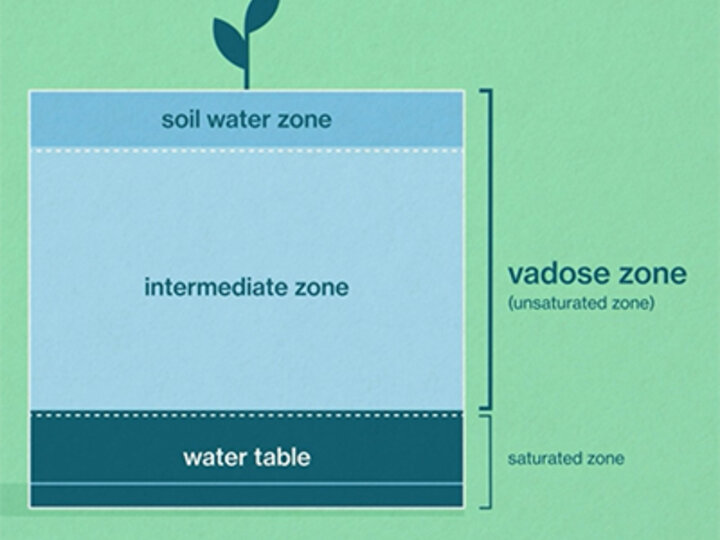
How nitrogen moves and is changed in the soil is important to help protect Nebraska's groundwater from contamination. However, these changes are not fully understood. To help understand these processes, a research team led by Dr. Arindam Malakar, scientist and research assistant professor in the School of Natural Resources and the Nebraska Water Center part of the Daugherty Water for Food Global Institute at the University of Nebraska-Lincoln, has begun a statewide study to uncover nitrogen transformation in the vadose zone.
Continue reading about their project across Nebraska.
Scheduling the last few irrigations of the season deserves extra attention because the goal is not only to focus on keeping the crop wet enough to produce optimal yields, but also on using up stored soil water. Leaving the field a little drier at the end of the season will save irrigation costs, decrease leaching losses, improve soil conditions for harvest traffic, and save water for future years. Growers also don't want to miss out on capturing off-season precipitation.