Crop Production

The production of crops is the heart of Nebraska's economy. Water is essential to all plant growth. Thus Nebraska's economy relies on a plentiful supply of water to produce crops – in both rainfed and irrigated environments. Several factors involved with producing crops interact with either water supply or water quality issues – or both.

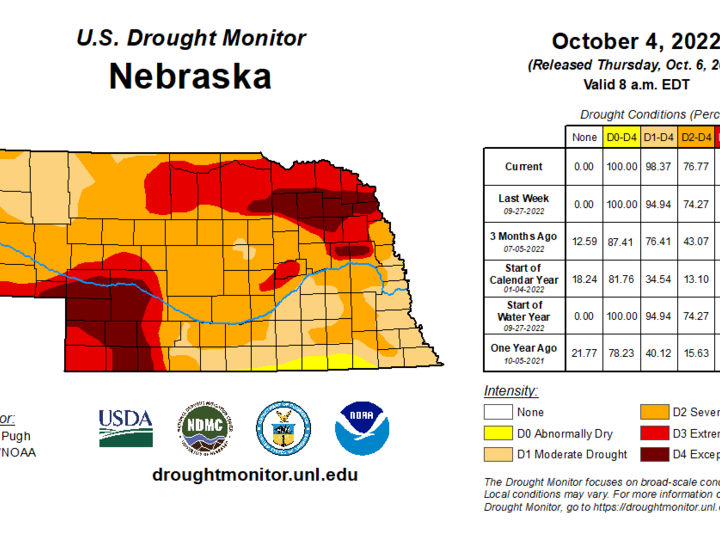
September Continues Warm, Dry Trend as Drought Worsens

September Continues Warm, Dry Trend as Drought Worsens

Precipitation continued the trend of a general lack of moisture during the first month of fall. Our monthly statewide total came in at 27th driest and makes for the 12th driest three-month (July–September) period on record. At the start of October, nearly all of Nebraska is in a drought category, according to the U.S. Drought Monitor. Portions of the northeast and southwest are in exceptional drought (D4). Temperatures averaged above normal for September and quite a few new daily high temperature records were set, most in the triple digits. The October outlook doesn’t appear to have much relief in sight with a higher-than-average probability of the warmth and dryness to continue. Given the dryness, fire danger will be high particularly on windy days.
 How To Adjust Rental Payments When Tenants Own the Center Pivot

How To Adjust Rental Payments When Tenants Own the Center Pivot

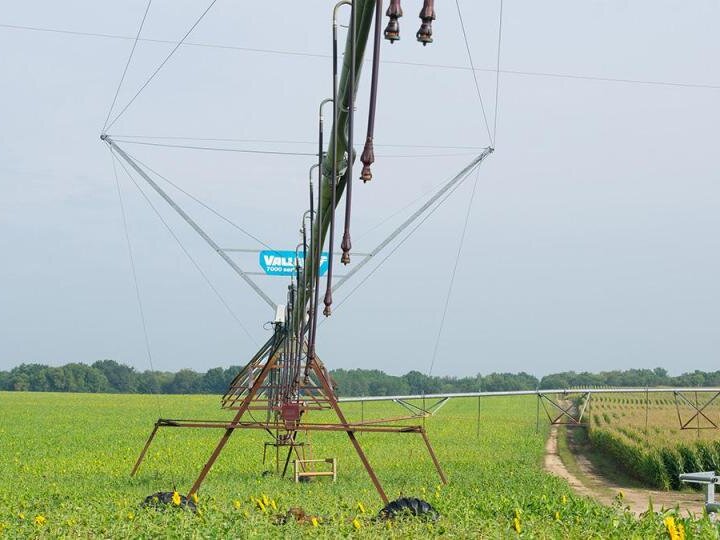
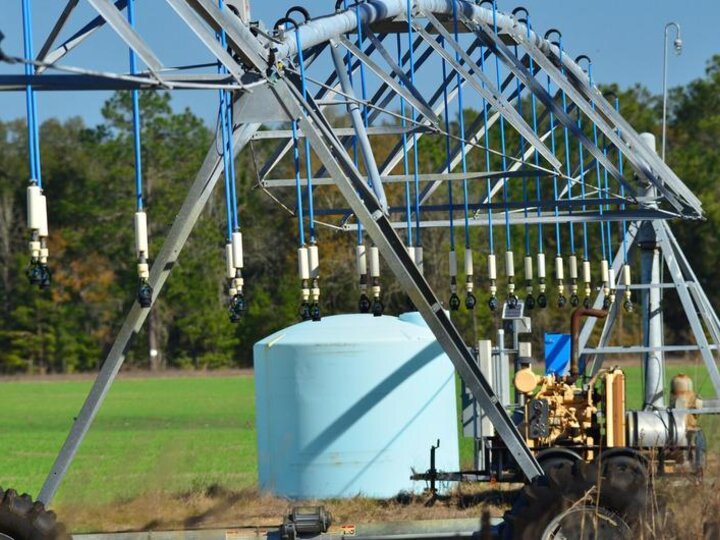
Center pivots comprise three main components: the pump, power unit and pivot. Traditionally on leased cropland, the landowner owns the pump and pivot. Depending on the area of Nebraska and available energy sources, the power unit may be owned by the landowner or tenant. Ownership of the pump and pivot by the landowner creates greater flexibility for the management of the land when terminating the tenant or selling the property.
 TAPS Irrigation Season Comes to End Amid Drought

TAPS Irrigation Season Comes to End Amid Drought

Irrigation decisions in the Testing Ag Performance Solutions (TAPS) farm management competitions ranged widely this year, even amid a drought throughout the region. According to rainfall gauges located near the TAPS fields, 8.92 inches of rainfall was collected from May 1 to Sept. 30, 2022. The following is a brief summary of the irrigation decisions made in each competition this year.
Crop Residue Removal: Its Effect on Soil and Water Quality

Crop Residue Removal: Its Effect on Soil and Water Quality

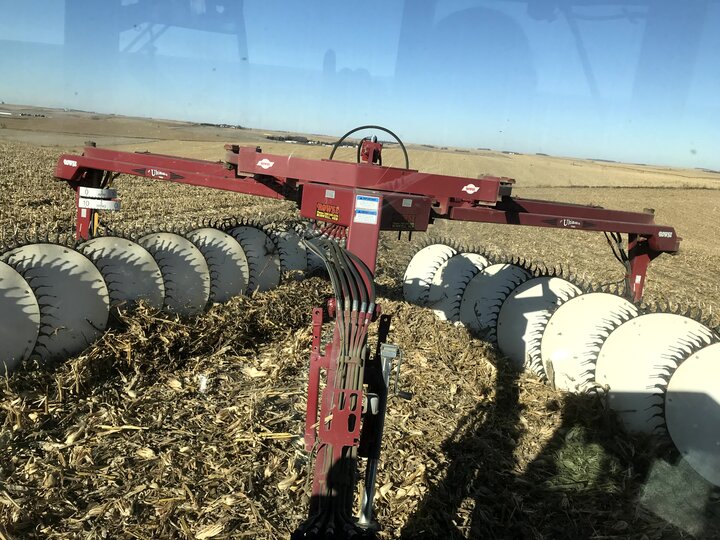
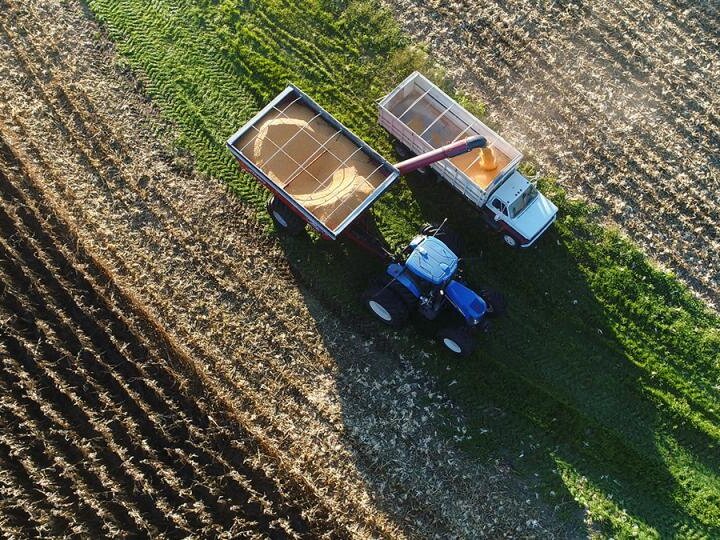
Some crop growers have always removed crop residue for animal feed and bedding. Crop residue removal should be done in such a way that it benefits the grower without negatively impacting the health and productivity of the soil as well as the environment.
Pesticide Safety Certification Training for Private Applicators in 2023

Pesticide Safety Certification Training for Private Applicators in 2023

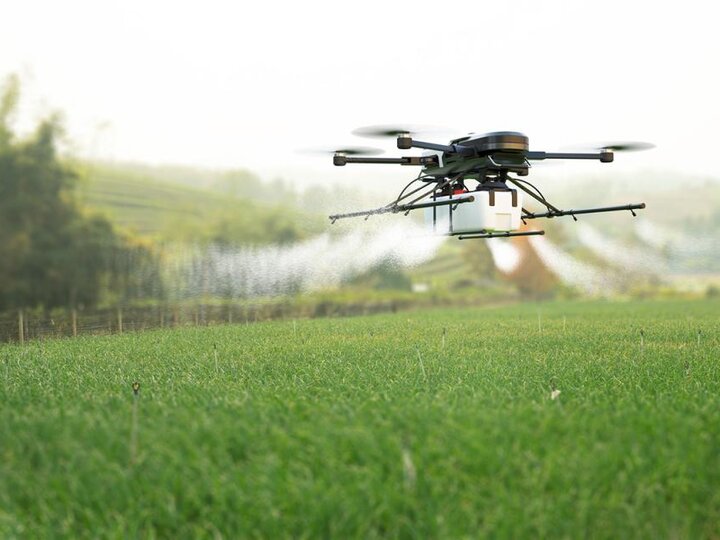
There are several important changes to Nebraska's application certification/licensing program for 2023, including age requirements, identification information, aerial licensure and more.
 Commercial and Noncommercial Pesticide Applicator Training in 2023

Commercial and Noncommercial Pesticide Applicator Training in 2023

In addition to in-person and online training sessions, individuals can recertify their pesticide applicator licenses at five conferences in 2023, including Nebraska Extension's Crop Production Clinics beginning Jan. 4 across the state.
Rust-stained irrigation pipes hint at lack of nitrate in groundwater

Rust-stained irrigation pipes hint at lack of nitrate in groundwater

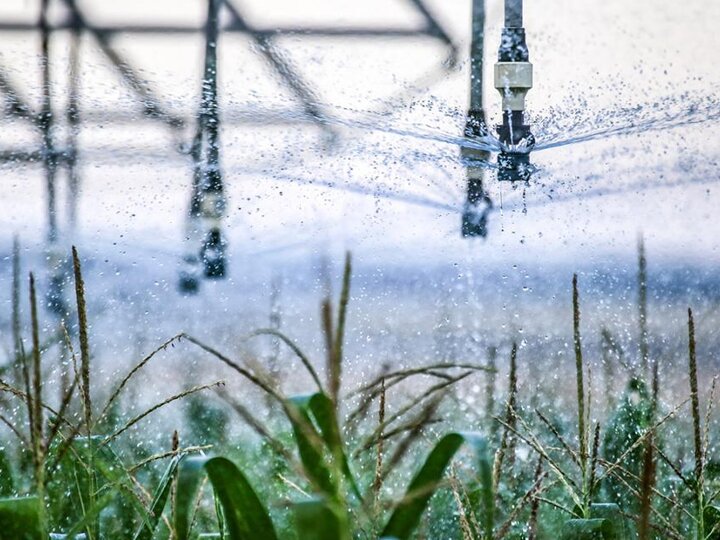
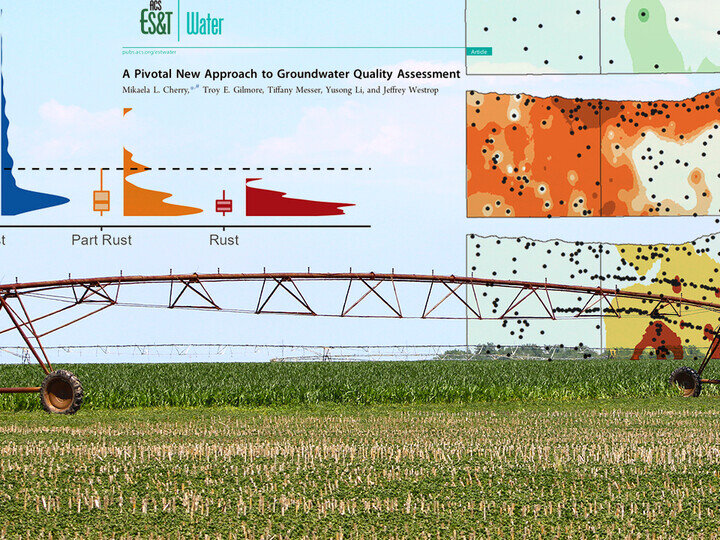
According to study from Department of Natural Resources researchers, irrigation pivots stained with rust may indicate the absence of nitrate in the groundwater supplying the pivots. This information can potentially be used to help screen for areas for the potential absence of nitrate and, in an ideal world, could indicate areas at higher- or lower-risk for nitrate contamination before it becomes a problem.
 Soils School to Feature Soil, Water and Nutrient Management Concepts

Soils School to Feature Soil, Water and Nutrient Management Concepts

In this two-day course, NU experts will be discussing the latest research on soil fertility, precision ag for nitrogen management, cover crop effects on soil, soil carbon sequestration and more.
 Online Offerings for Pesticide Applicator Training, Chemigation Training

Online Offerings for Pesticide Applicator Training, Chemigation Training

New for 2023, certain county extension offices will host computer kiosks that private applicators can use to complete the program, and extension educators will be hosting Zoom training sessions.
 Chemigation Training in 2023

Chemigation Training in 2023

Chemigation training is offered at face-to-face events and online through the Nebraska Department of Environment and Energy, at no cost to the individual.
 Private Pesticide Training Offered by Zoom for 2023

Private Pesticide Training Offered by Zoom for 2023

Zoom training sessions will focus on pesticides for corn and soybean on March 8 and April 4, and for pastures on March 21.
 Nebraska On-Farm Research Network Meetings Begin Feb. 15

Nebraska On-Farm Research Network Meetings Begin Feb. 15

Nebraska farmers and agronomists are set to present results of their 2022 on-farm research studies on cover crops, variable rate seeding, starter fertilizer, biological products, seed treatments, variable rate nitrogen management and more.

The production of crops is the heart of Nebraska's economy. Water is essential to all plant growth. Thus Nebraska's economy relies on a plentiful supply of water to produce crops – in both rainfed and irrigated environments. Several factors involved with producing crops interact with either water supply or water quality issues – or both.