Water News Archive

Sustainable Landscapes

Sustainable Landscapes

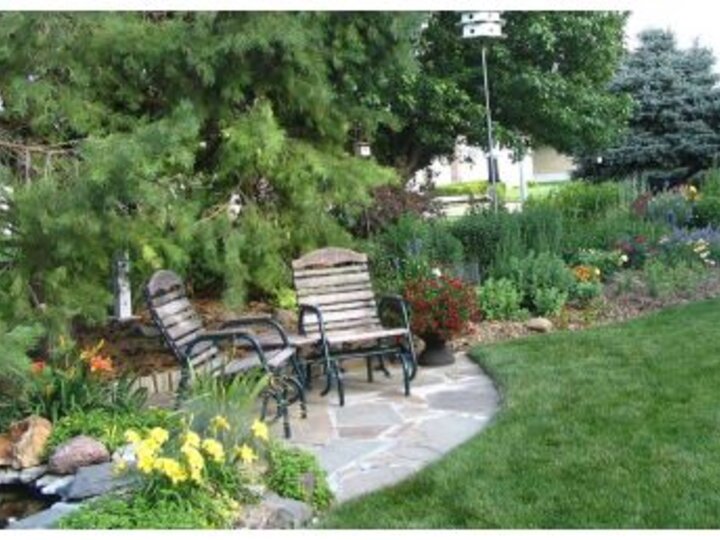
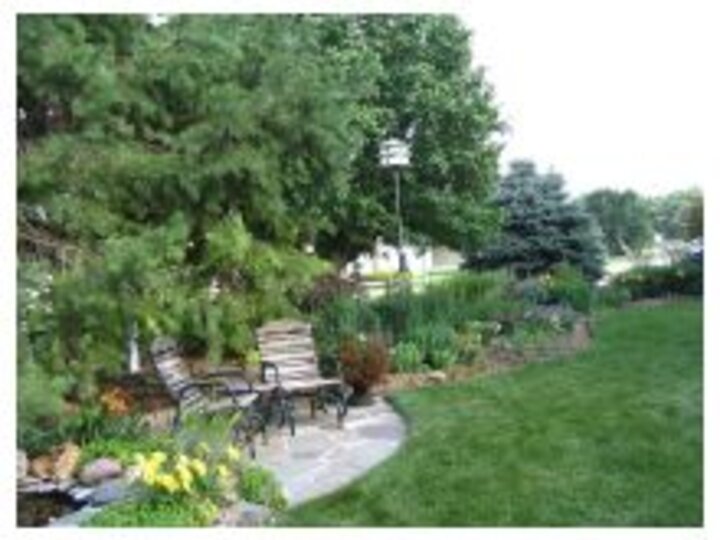
Landscapes which are sustainably designed, installed and managed conserve water, lower the rate and volume of runoff water from rain, snowmelt and irrigation, and help reduce the amount of pollutants reaching surface water. Water related benefits achieved with sustainable residential, business, and community landscapes include:
Stormwater

Stormwater

What is stormwater? It's water from rain or melting snow. Watch the video and learn about rain water runoff and why it can be a problem.

Publications and Resources

Nebraska Extension Educators and Specialists have developed many resources to help you use water more efficiently and help keep it clean. Nebraska Extension has also developed materials to help youth learn about water and how to save it and keep it clean. Read on for a listing of all of these great resources for your landscape

How and Why to Separate Turf from Ornamentals

Regardless of the mix, the goal for green minded gardeners is to grow, plant and care for healthy landscape plants and turf. One of the most important factors in the success of these endeavors is getting to know specific needs of the plant material and how they can be combined effectively in a landscape without compromising the needs of each component.
Separate Turf and Ornamentals

Separate Turf and Ornamentals

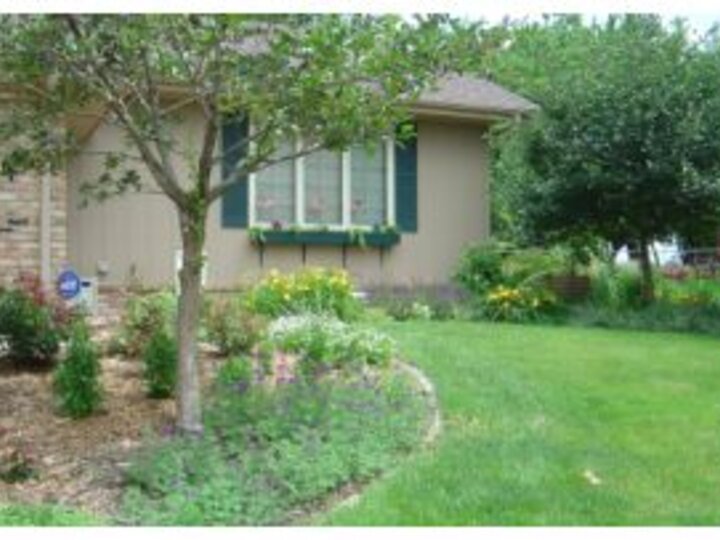
Do you have trees growing right in the middle of your lawn? Do you swear under your breath every time you mow, having to trim around them and practice some fancy footwork trying to maneuver the mower around the trunk? If so, perhaps it's time to redesign your landscape, separating the grass and all of the other plants. If you are building a new home, or moving to one with little or no landscaping, you can avoid this maintenance nightmare by simply thinking of turf as a part of the landscape unto itself.
Water Zones

Water Zones

Once good soils are in place, create water zones. Water zones are distinct sections of your property which contain plants with similar water needs. Group ornamentals into H-M-L zones in the landscape. Keep each distinct plant group by themselves – set watering minutes per zone accordingly.

Nutritional Value for the Landscape

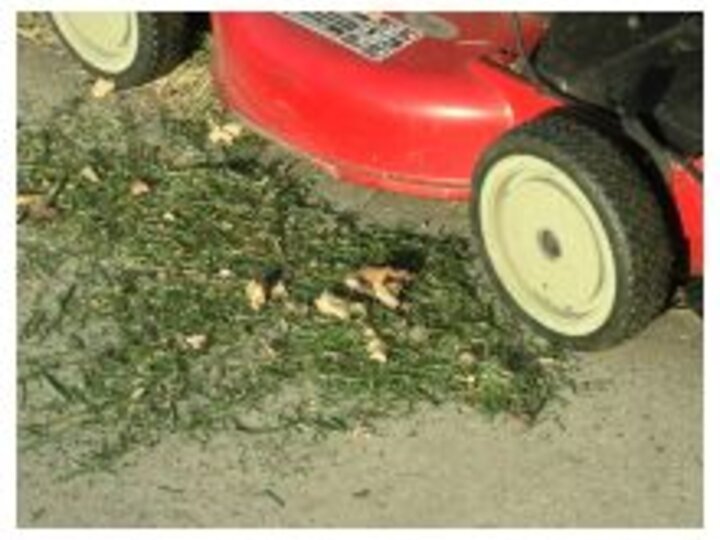
Processing lawn clippings and tree leaves into the lawn provides nutritional value as well as reduces waste. Generally, turf clippings contain 6-7% nitrogen, 0.5 to 1.0% phosphorous and 2-4% potassium; when returned to the lawn, they can account for a fourth of the lawn's fertilizer applications each year.
Building Soils

Building Soils

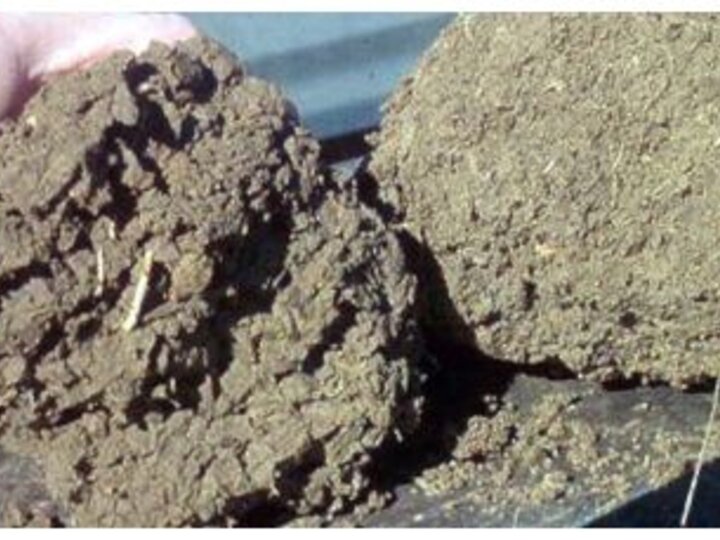
Water should never be applied at a rate faster than it can be absorbed by the soil. Soil properties that govern water infiltration (movement of water into the soil) are texture and structure.
Odor Management

Odor Management

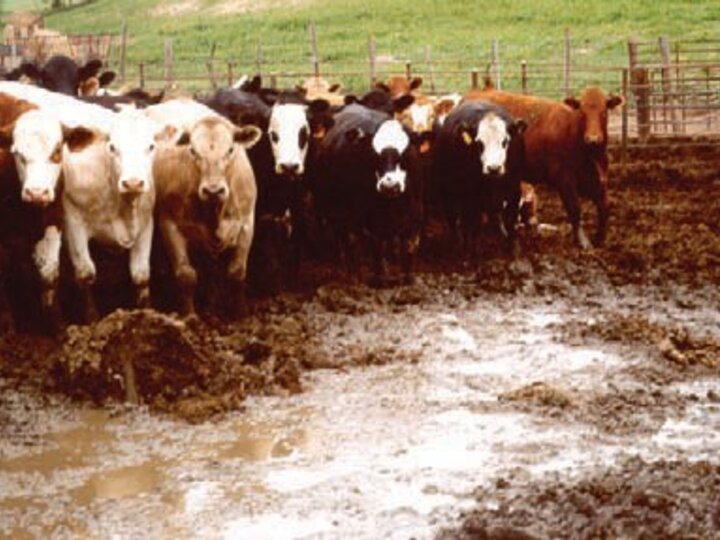
Odor emission is of great concern to the general public. An odor management plan is required in the permit application for livestock operations with more than 1,000 animal units. Producers need to understand odor emission from animal housing, manure storage and handling, and land application and available management options.
Manure Value

Manure Value

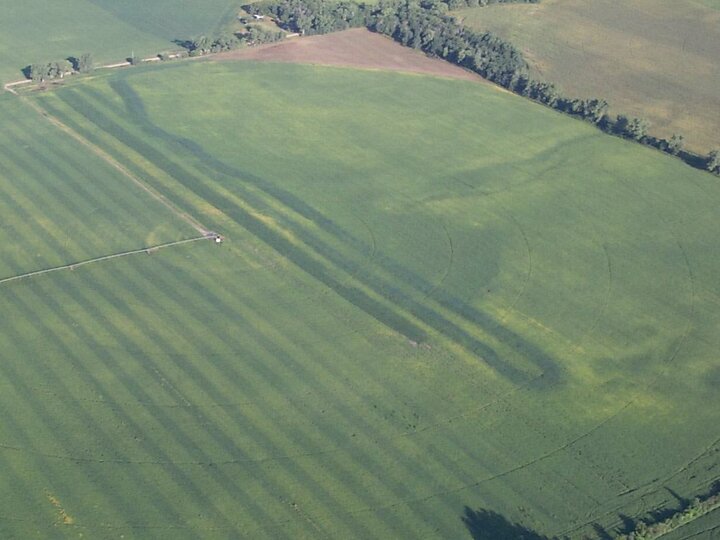
Manure is often an under-valued resource. When well-managed and properly applied, it reaps many benefits. The benefits can be seen in the photo to the left, but are not captured in much of the field because of errors in application.
Nebraska Extension hosts drought management webinar for beef producers

Nebraska Extension hosts drought management webinar for beef producers

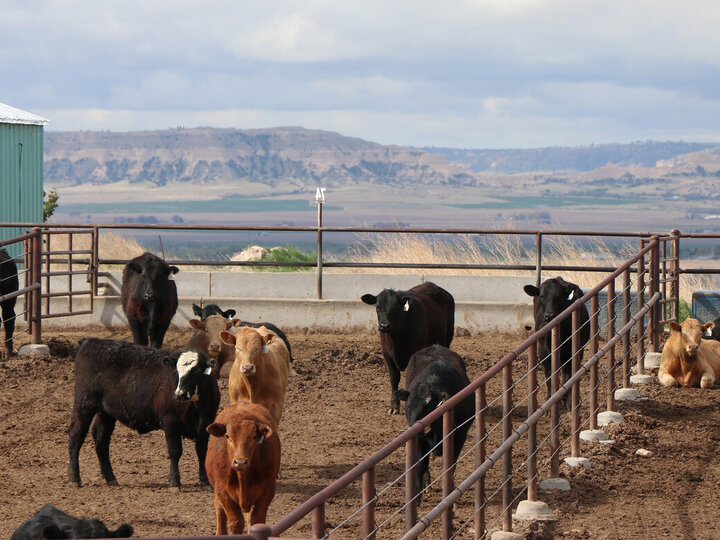
As drought conditions continue to affect much of Nebraska, beef producers are being forced to make difficult decisions about herd and forage management. To support producers navigating these challenges, Nebraska Extension will host a free webinar on Thursday, June 11, from 6:30 to 8 p.m. Mountain Time / 7:30 to 9 p.m. Central Time.